
Rebirth of a Land Cruiser
/Saudi Arabia to Dubai: a Land Cruiser 78 build
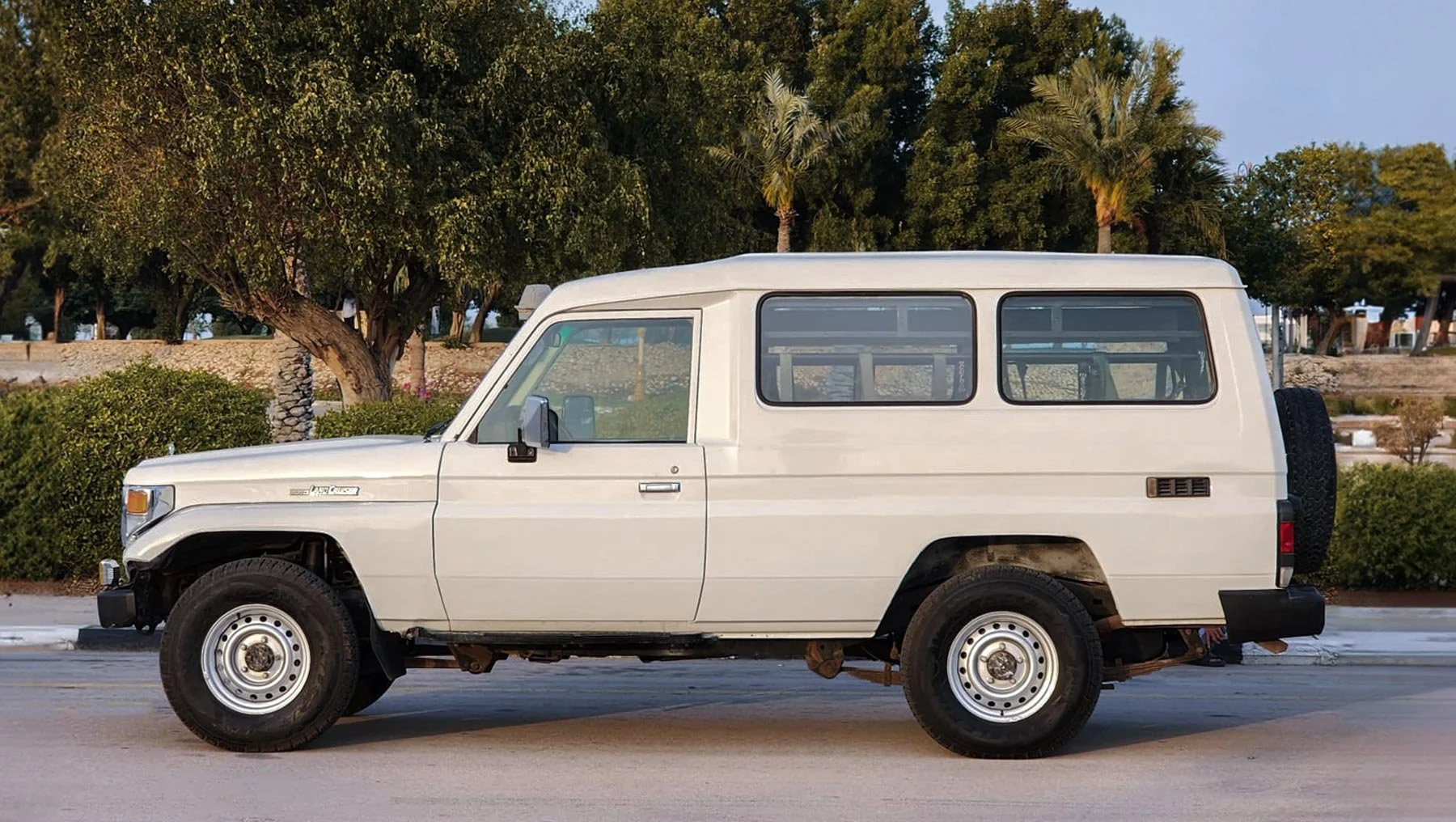
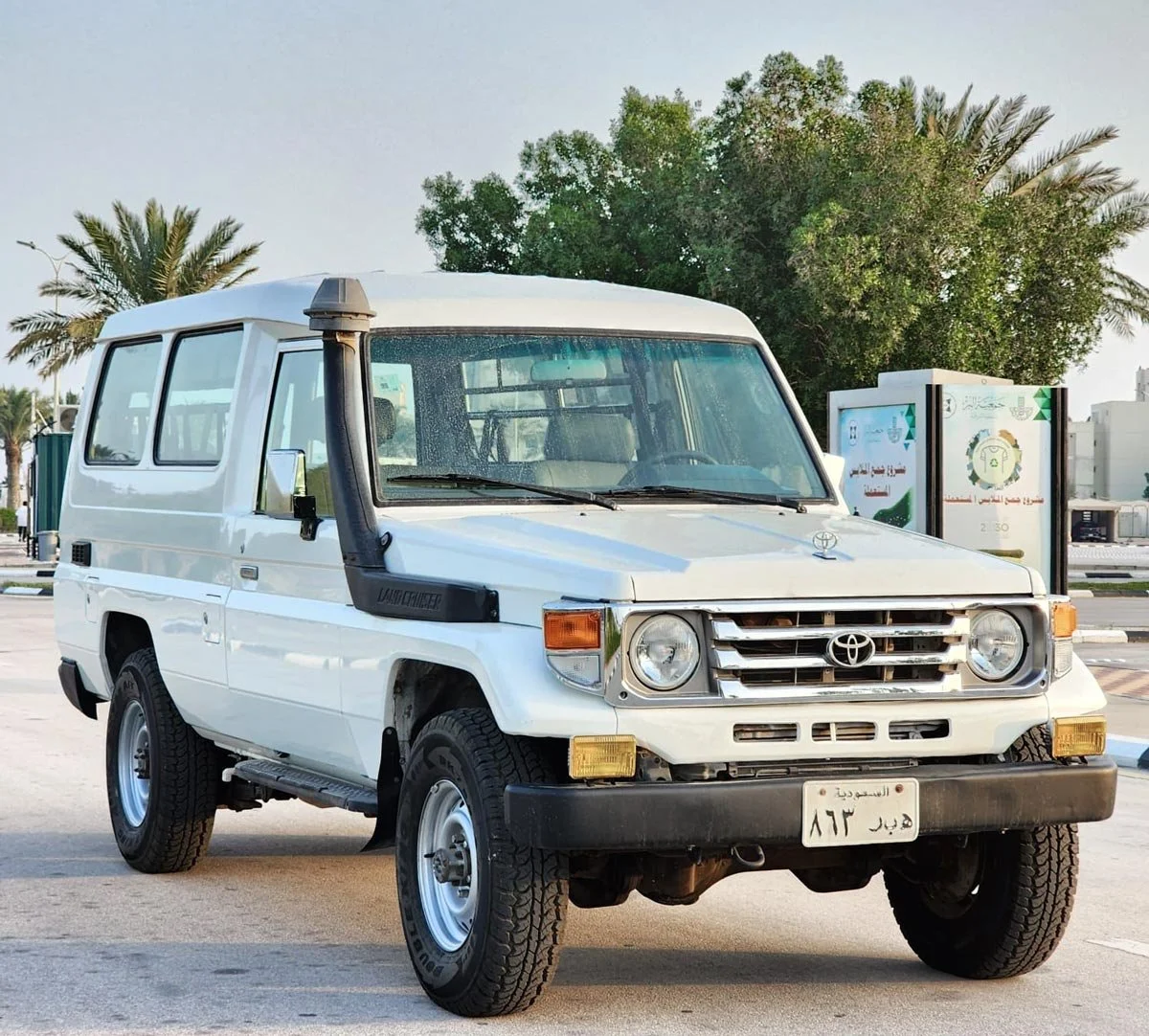
TOYOTA LAND-CRUISER 78 hardtop, before the build
Chapter One: Why Overland, and Why a Land Cruiser 78?
The truck had been parked outdoors in Dammam, Saudi Arabia for 5 years. It was covered in dust, the paint was tired, and it had clearly worked hard for someone who never looked after it. I drove across the border to see it for myself, and I knew within minutes that I wanted it.
Some vehicles are built to be used, not admired. The Land Cruiser 78 Hardtop is one of them: simple, tough and trusted across deserts for decades. I found mine in Saudi Arabia, covered in years of dust and wear, and decided to bring it home and give it a second life. Preparing it became the first step towards the journeys I wanted to make.
Why Overland?
I enjoy overlanding, camping and off-roading, but photography is what gives these trips their purpose. Travelling with my own vehicle allows me to reach remote places, stay longer when the light is promising and change plans when something unexpected catches my attention. Over time, this freedom has become part of a lifestyle I value deeply.
There is also a simpler truth: I like a challenge, and I have always had a habit of taking the hard way.
The road offers much more than photographs. It gives me the chance to meet people from different cultures, learn about the history and geography of the countries I visit, and spend time in places I might otherwise pass by. Crossing borders by land and driving through remote villages, small towns and big cities changes how you experience a country. You feel the distances and notice the gradual shifts in landscape, language, food, architecture and daily life. Everything in between becomes part of the experience.
Along the way, I have made friends in places I never expected to. Those encounters have become as important to me as the landscapes I photograph.
For much of the year, I work as a commercial photographer, following briefs, meeting deadlines and creating images for clients. I value that work, but these trips give me space to photograph entirely for myself. I can stop wherever I choose, wait for the light or spend an entire day exploring without knowing whether I will come away with a photograph.
When your passion becomes your profession, the demands of work can sometimes overshadow the curiosity that first drew you to it. Travelling this way gives me room to slow down, experiment and reconnect with the reasons I started.
Cars, mechanics and extreme off-road driving have never been my main interests. I learned about them because the road demanded it. The challenge I enjoy is the journey itself: the distance, the uncertainty and the effort of getting somewhere worth photographing. Repairs and difficult roads come with that, even if they are rarely the parts I look forward to.
Why the Land Cruiser 78?
A journey like this needs a vehicle that is dependable and straightforward to maintain. For me, the Land Cruiser 78 made sense.
Its 1HZ engine is a simple, naturally aspirated inline-six diesel with mechanical fuel injection. With no turbocharger and little electronic complexity, it has a long-established reputation for reliability. That simplicity matters when you are travelling through remote places, far from a workshop. I valued being able to understand the vehicle and maintain it more than comfort or speed.
The Land Cruiser's working history also influenced my choice. For decades, these vehicles have served on farms, at mines and in humanitarian field operations, often in places where roads are difficult and help is a long way off. I wanted something with a proven record in the kinds of environments I hoped to explore and photograph.
Then there was the space. The Troopy has enough room for my camera equipment, tools, supplies and a bed. For long journeys, being able to organise everything properly and reach what I need easily makes a real difference.
I was also drawn to its old shape. I love the retro look, the heritage behind it and the simplicity of the design. I wanted an older vehicle I could get to know through the process of repairing and preparing it. Choosing one that needed work meant taking the harder route again, but it also gave me the chance to shape the build around my needs.
My Land Cruiser makes these journeys possible. It carries my equipment, gives me a place to sleep and takes me to the landscapes and people I want to photograph. What keeps me going is what I find along the way.
The Search for a 1HZ
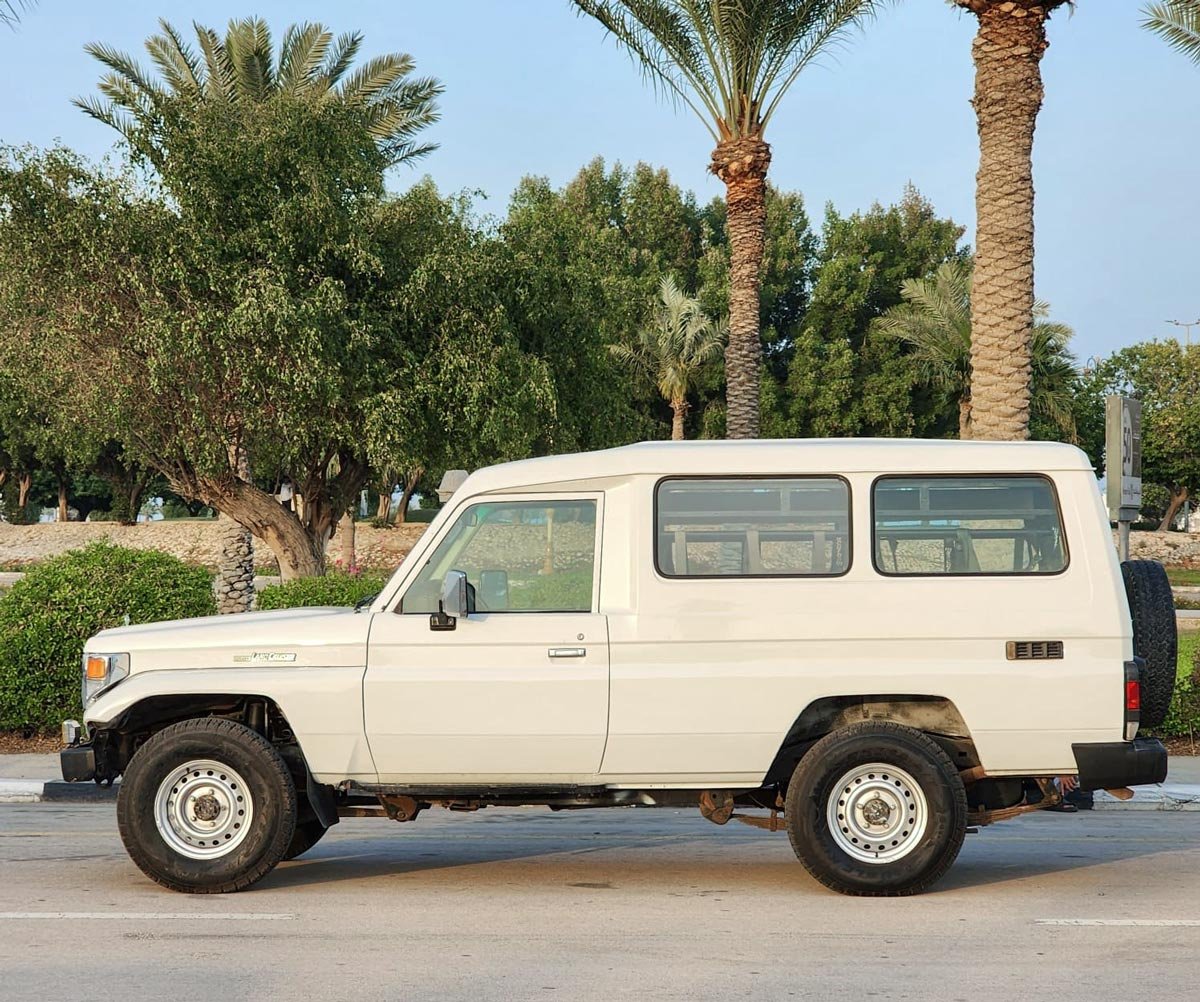
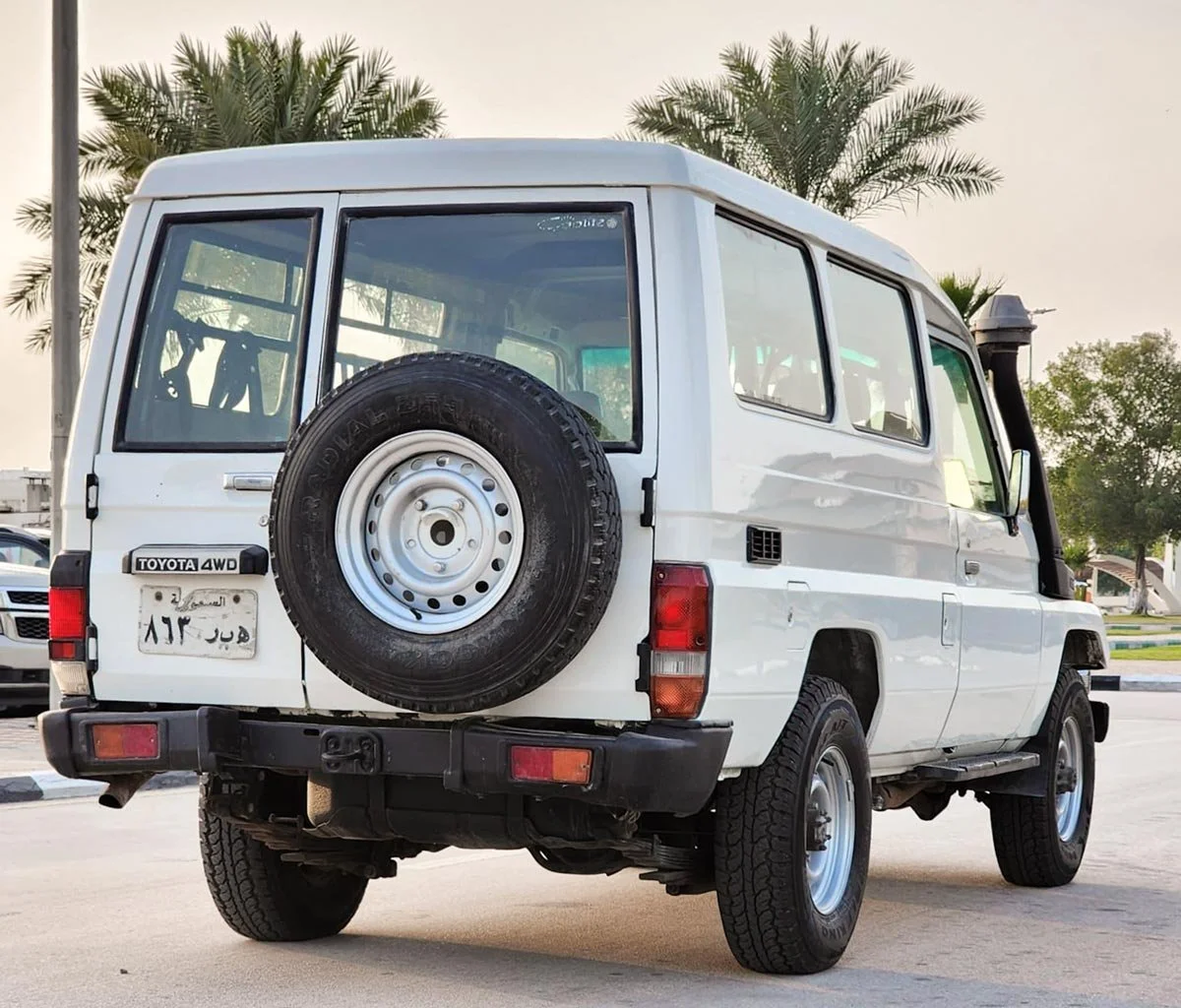
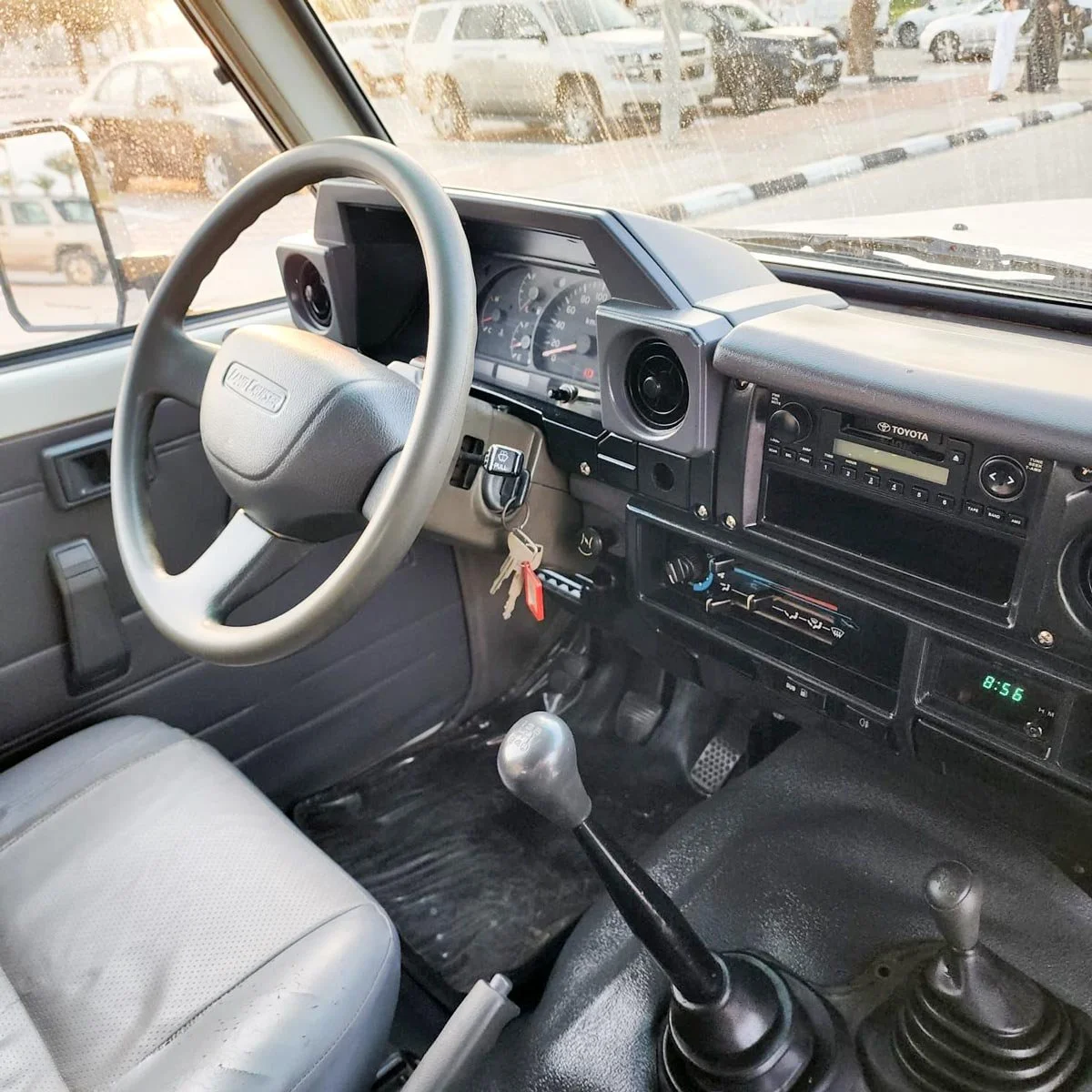
Finding the right Land Cruiser 78 was not easy. I wanted a left-hand-drive model with the 1HZ diesel engine, unmodified and in good condition. Most of the old-shape Troopies I came across had the 1FZ petrol engine, so finding a suitable diesel took patience.
After a long search, I found one advertised online in Dammam, Saudi Arabia. It had belonged to a construction company and had been stored outdoors for the previous five years. Before making a decision, I drove to Saudi Arabia to see it for myself.
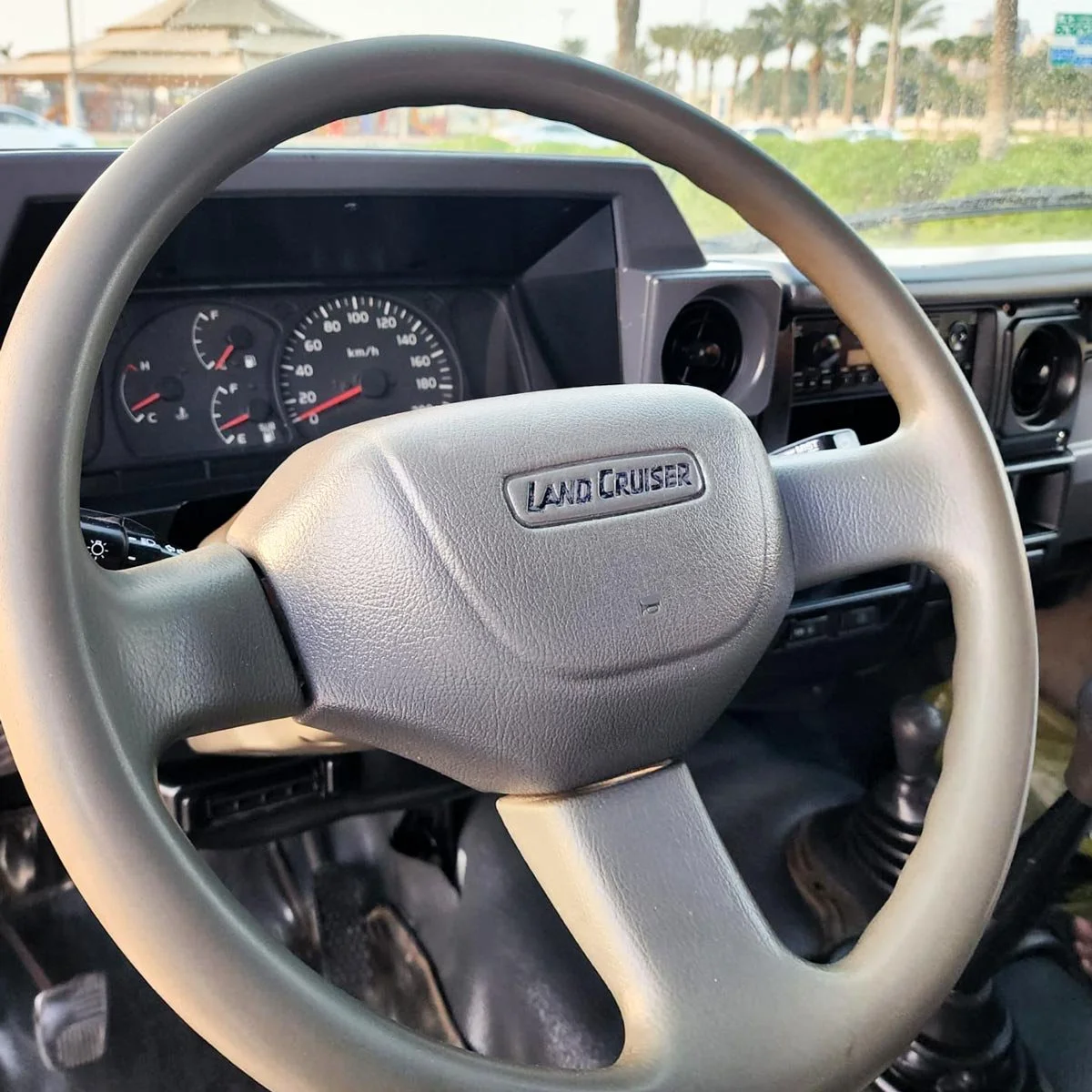
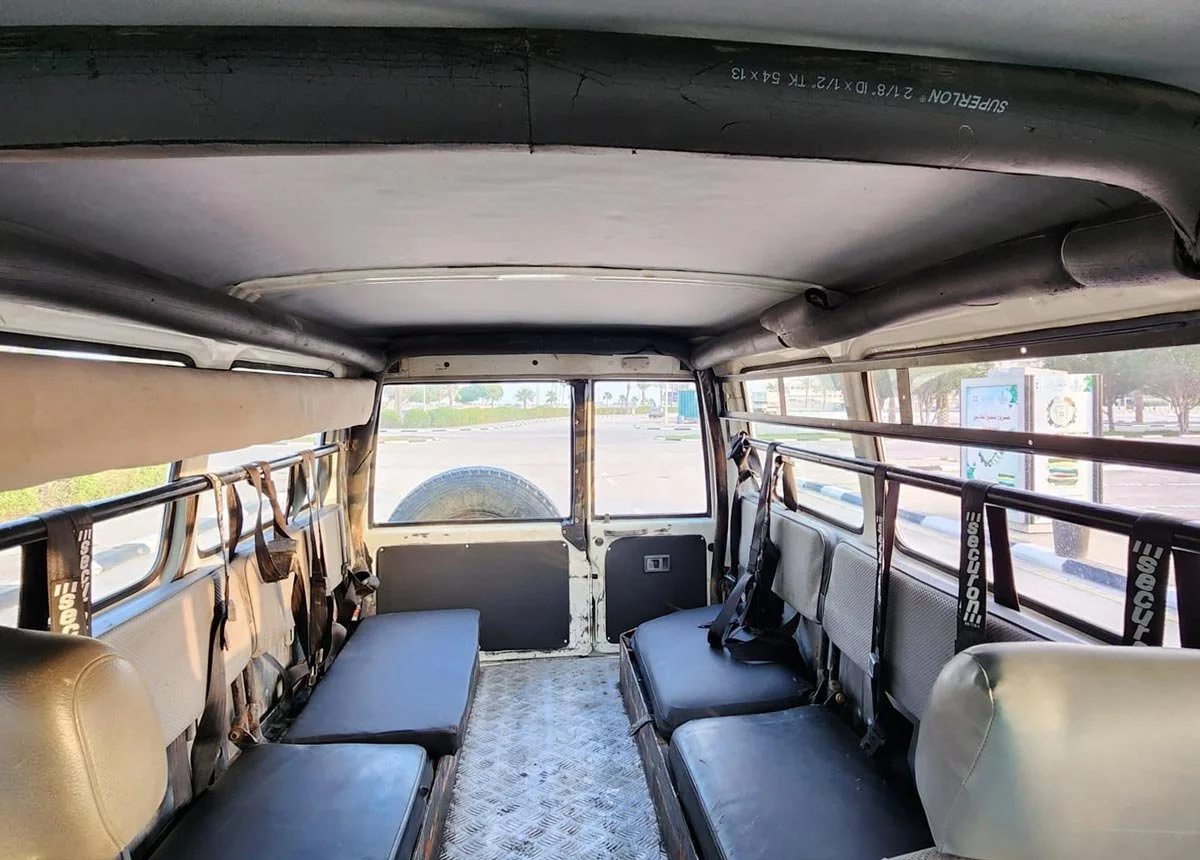
It was clear that this truck had worked hard and received little care. Bringing it back to life would take considerable work. But it had the right engine, the shape I wanted and no modifications. It wasn't the clean example I had hoped to find, but I could see its potential.
I paid a little more than I had intended, though it was still far cheaper than a new model. More importantly, it was the version I wanted.
Then came the next challenge: getting it to the UAE.
Before we could export the truck, its Saudi registration had to be cancelled. In our case, that meant first transferring ownership from the construction company to an individual. Without Saudi residency, I couldn't complete that transfer myself.
My friend Gaith, who lives in Saudi Arabia, stepped in and handled the process. Without him, I would have struggled to move things forward. Even with his help, the paperwork and arrangements took time.
Once ownership had been transferred, we could complete the registration cancellation, settle the required fees and arrange the export. The truck finally travelled to the UAE on a flatbed recovery truck. After clearing the import process and completing its UAE registration, it was officially mine and ready for the next stage.
It was legal, but it was far from ready for the road. The real work was only beginning.
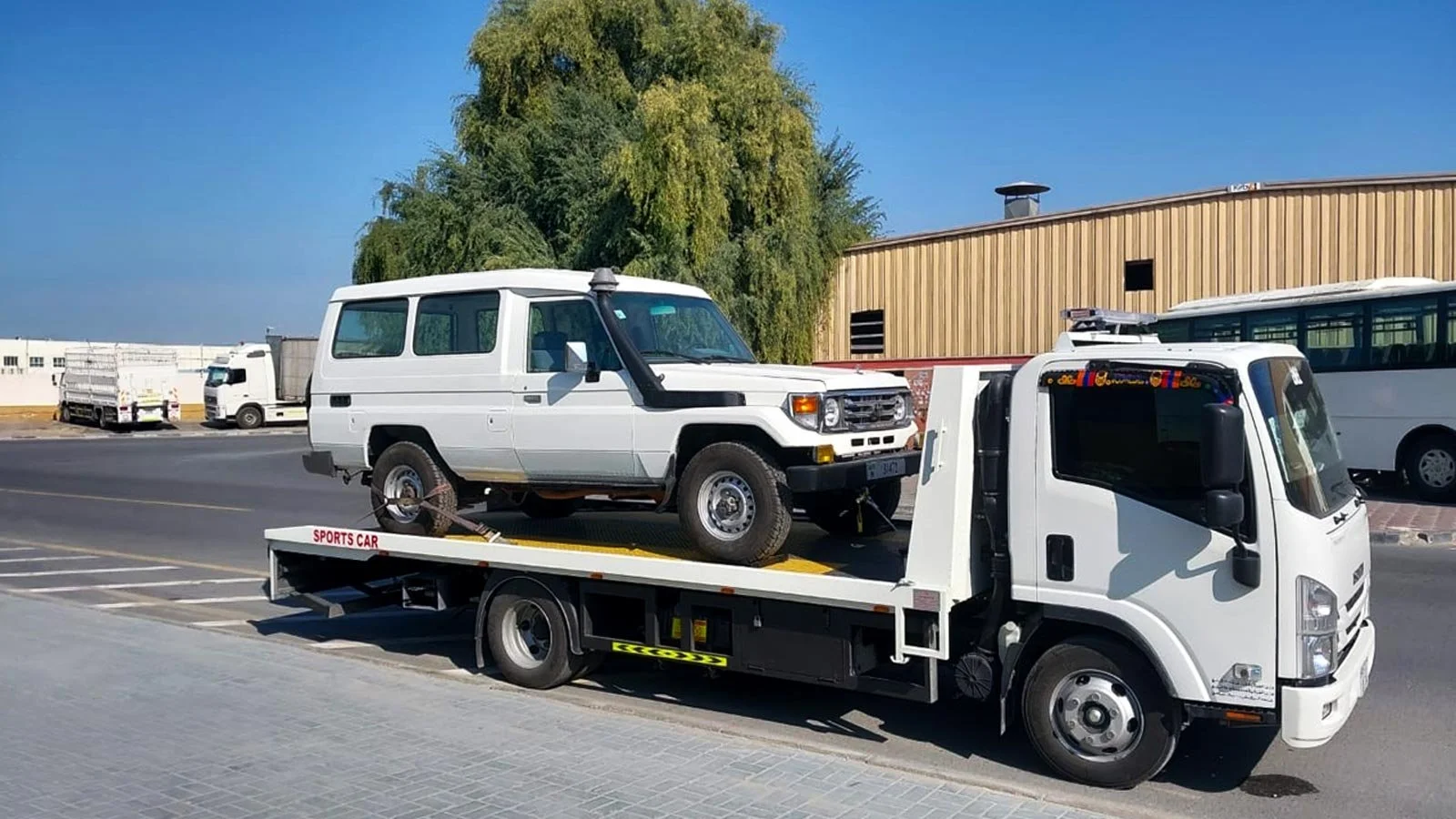
Day one: the Land Cruiser 78 arrives at the workshop on a flatbed
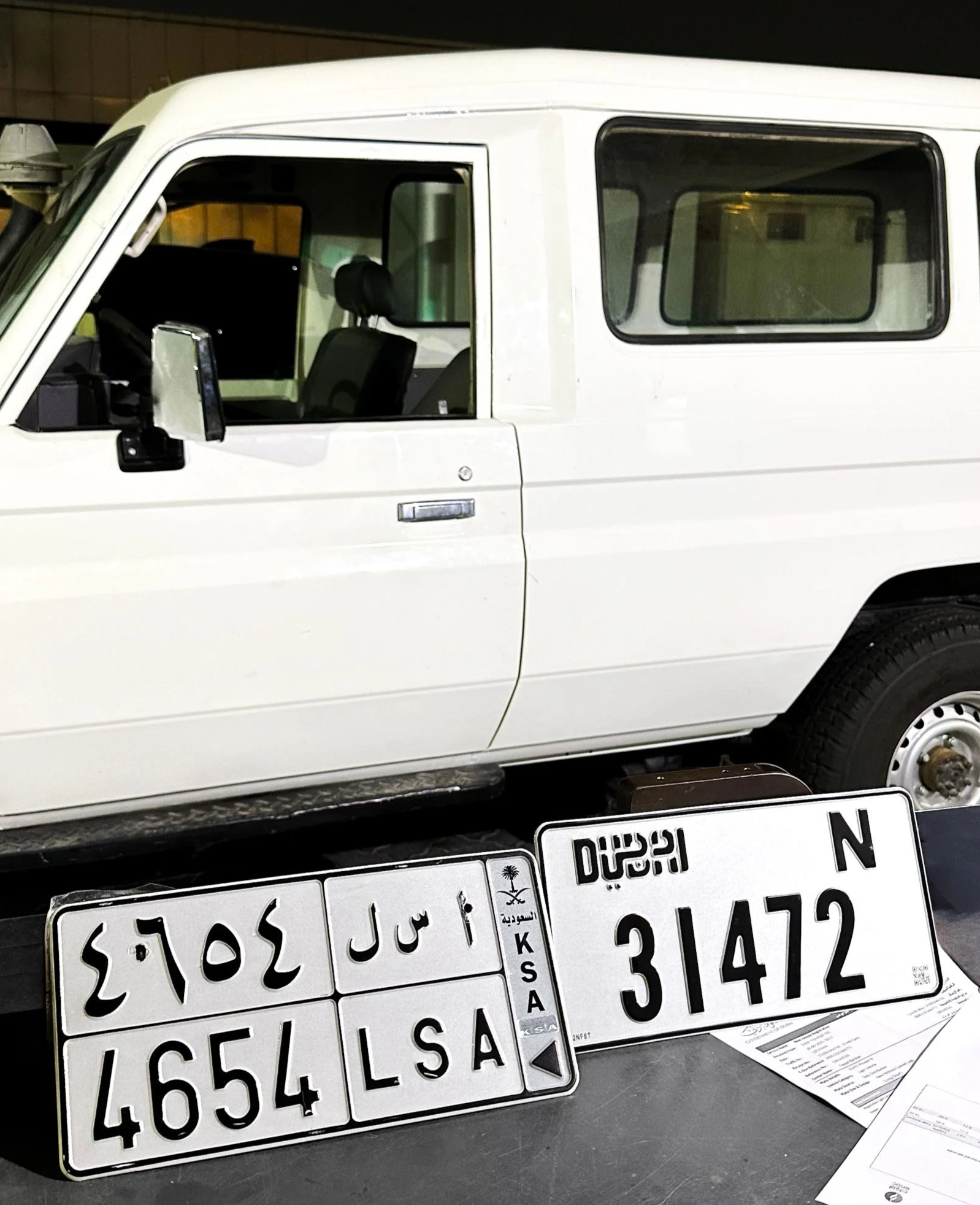
Passing the Test and Registered in Dubai
Keeping the Build Within Reason
I wanted to keep the budget for this project modest.
Having built another Land Cruiser before, I knew how quickly the costs could grow. With a Troopy, the possibilities are almost endless: pop-top roofs, bumpers, winches, suspension upgrades, water tanks, electrical systems, solar panels, heaters, showers and countless accessories. Every addition brings more cost, more weight and something else to maintain.
I wasn't building a show vehicle or planning to live on the road all year. I wanted a practical setup that covered the essentials: a comfortable sleeping platform, water, recovery gear, enough storage and easy access to the things I use most.
Two priorities guided every decision: staying within budget and keeping the truck as light as possible. I won't pretend it is a lightweight build. Plywood cabinetry, a water tank and a rear bumper all add up. But it is lighter than it could have been, and a simple setup gives me fewer things to repair along the way. The 1HZ has a reputation for reliability, but power is not its strength. Load it heavily, and you soon notice its limitations, particularly on mountain roads or when trying to overtake.
There is something I have come to appreciate about that slower pace. It teaches you patience and a little humility. You learn to leave more time, choose your moments carefully and accept that you won't get anywhere quickly. I find myself enjoying the scenery more and worrying less about when I will arrive. In many ways, it has made me a calmer driver.
I also wanted to keep the truck discreet. A vehicle covered in expensive accessories can draw attention, and I preferred something that looked simple and ordinary. Whether camping in a remote area or parking in an unfamiliar city, I felt more comfortable with a truck that didn't advertise everything it carried.
That became the philosophy of the build: carry what I need, keep the weight down, stay discreet and enjoy the road at the truck's own pace.
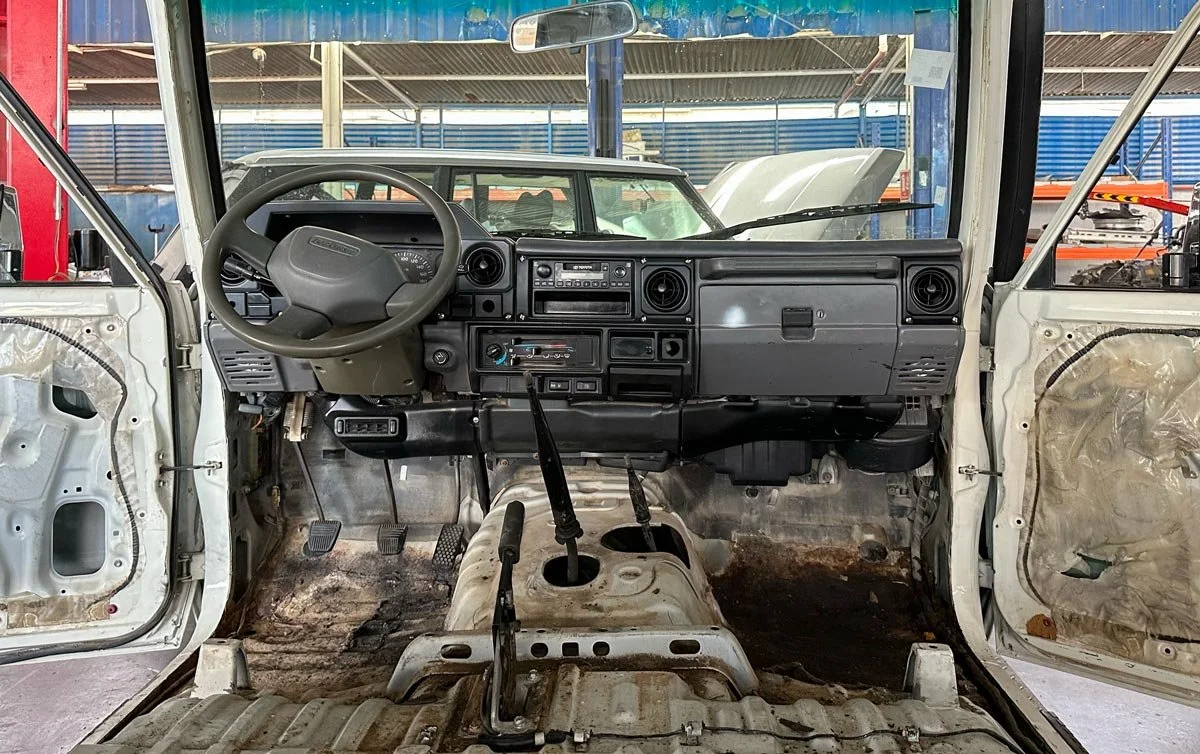
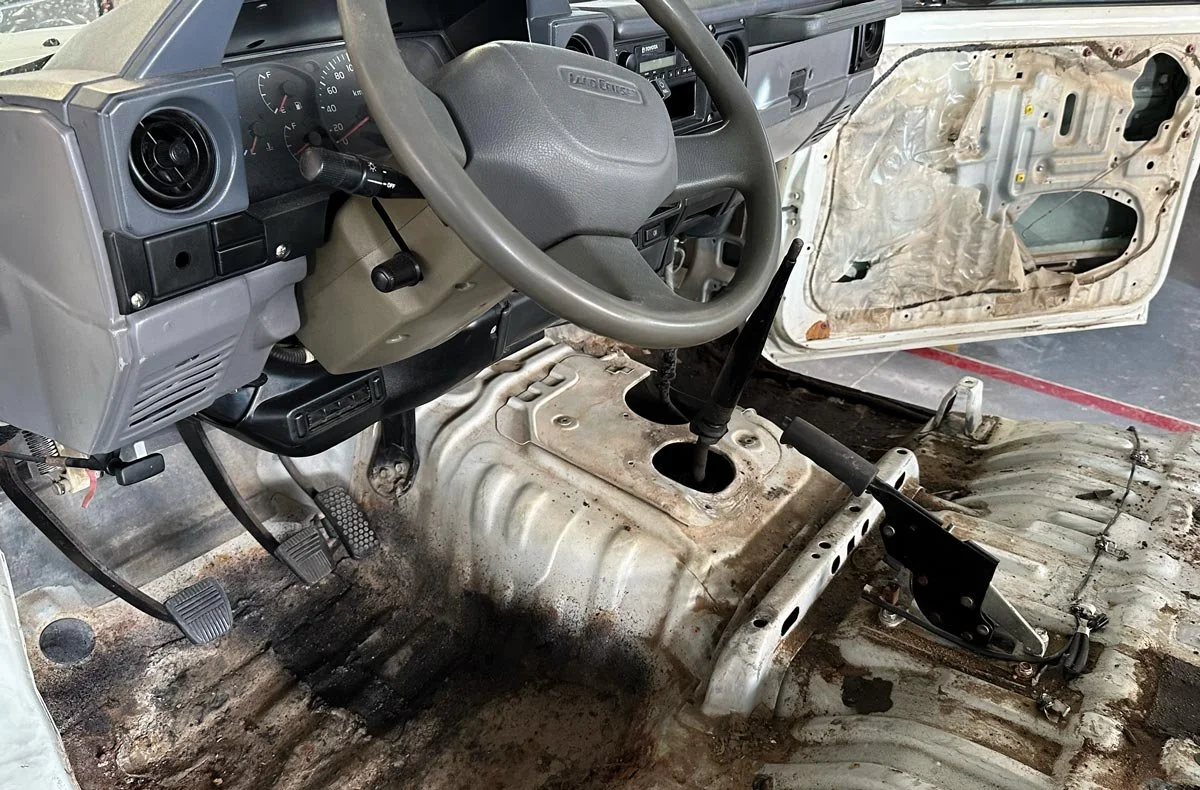
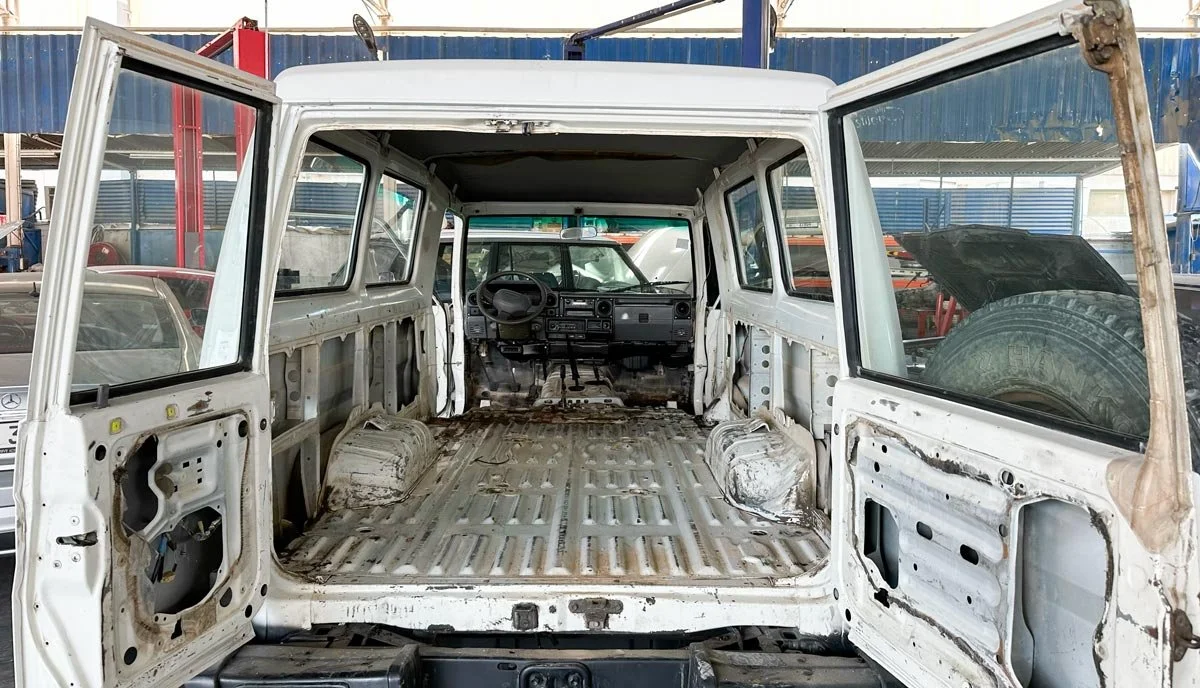
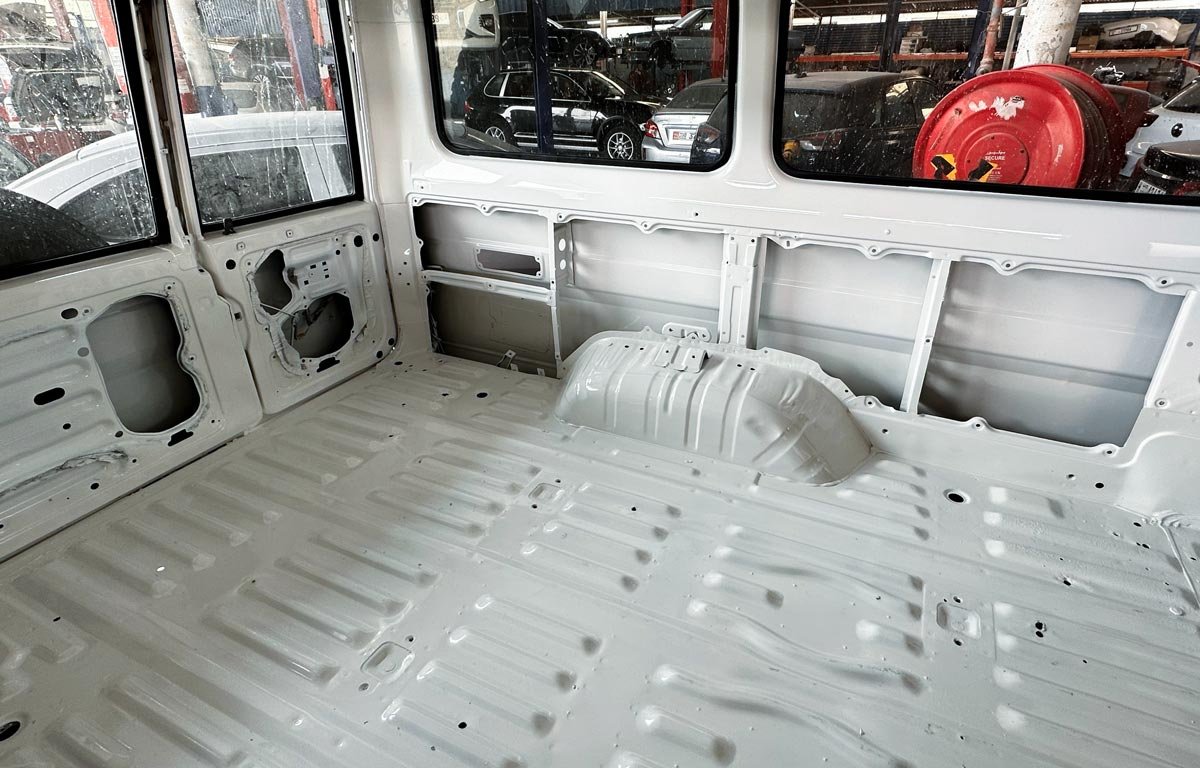
Interior Stripped During Restoration
Work Begins
This was never intended to be a full restoration. With a limited budget, I addressed each issue individually and spent where it mattered most.
With the help of ANR Performance in Dubai, the project began to take shape. Their experience preparing overland vehicles helped turn my ideas into a practical setup for the journeys ahead.
Mechanical reliability came first. Before thinking about a bed, fridge, storage or electrical systems, we needed to assess the truck's condition and decide what required attention.
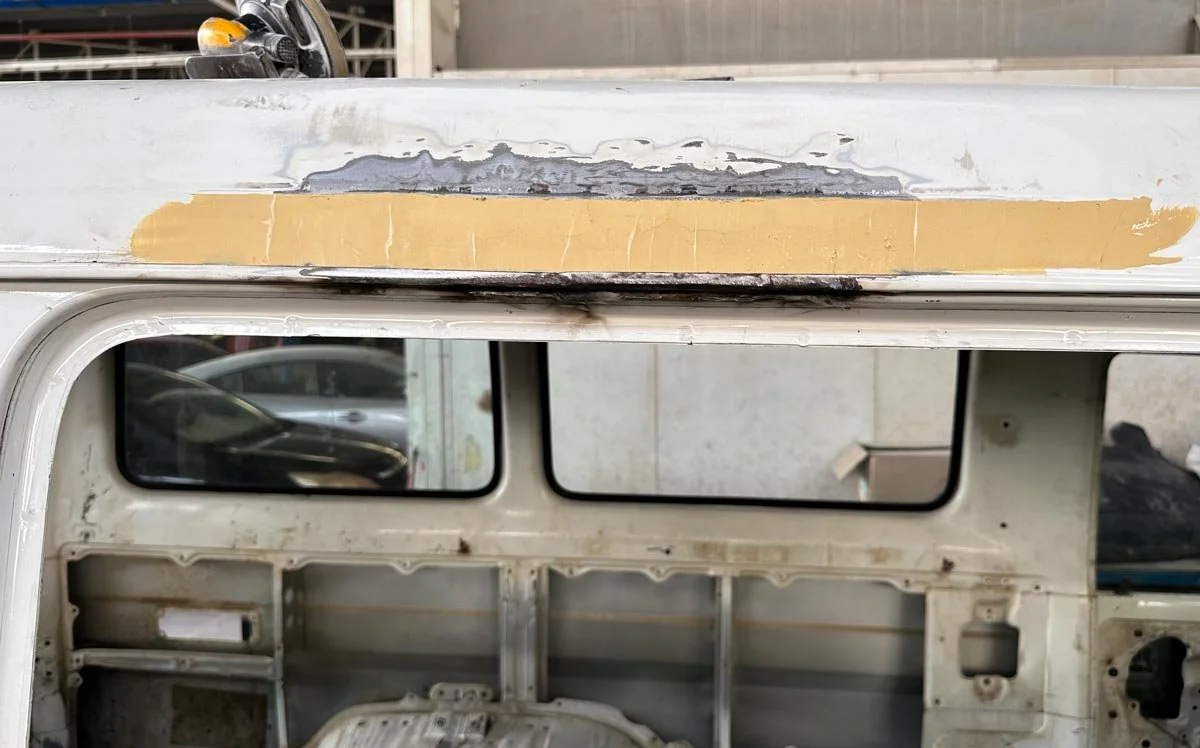
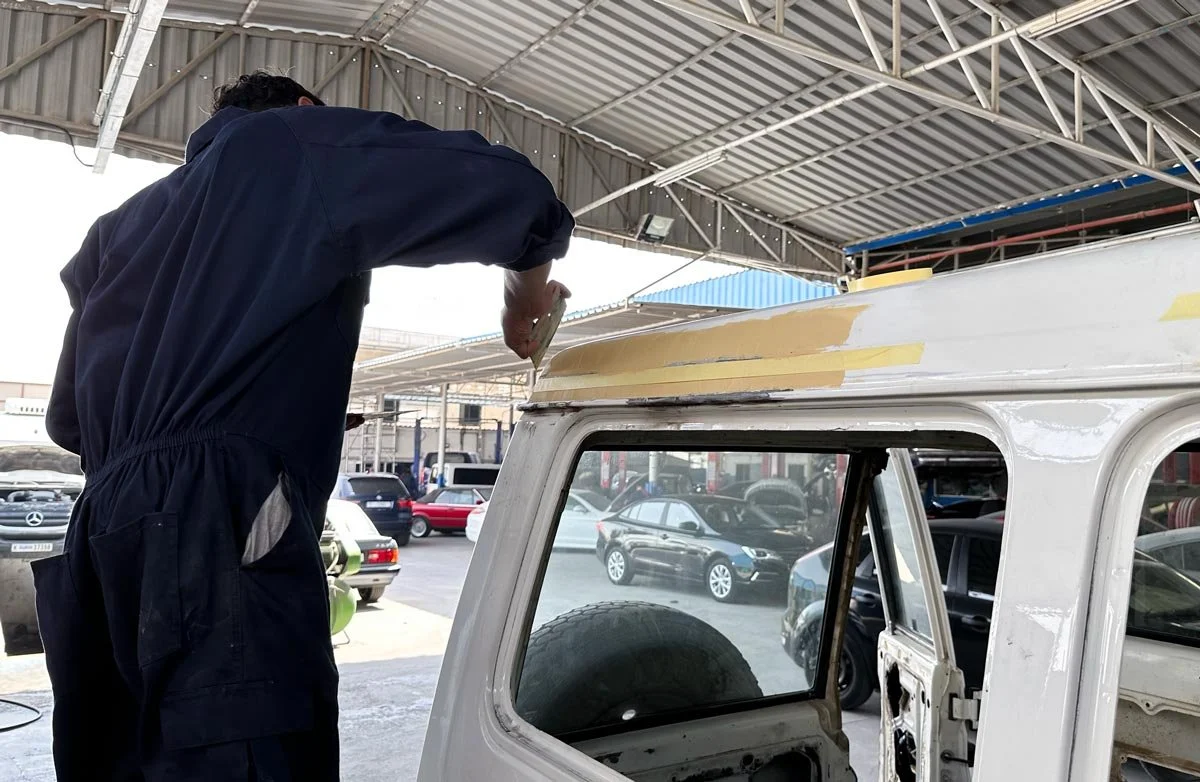
The first challenge was rust. After ten years parked outdoors, the Troopy needed considerable work. We stripped back the affected areas, inspected the damage and dealt with the corrosion before moving forward.
After that came the mechanical work:
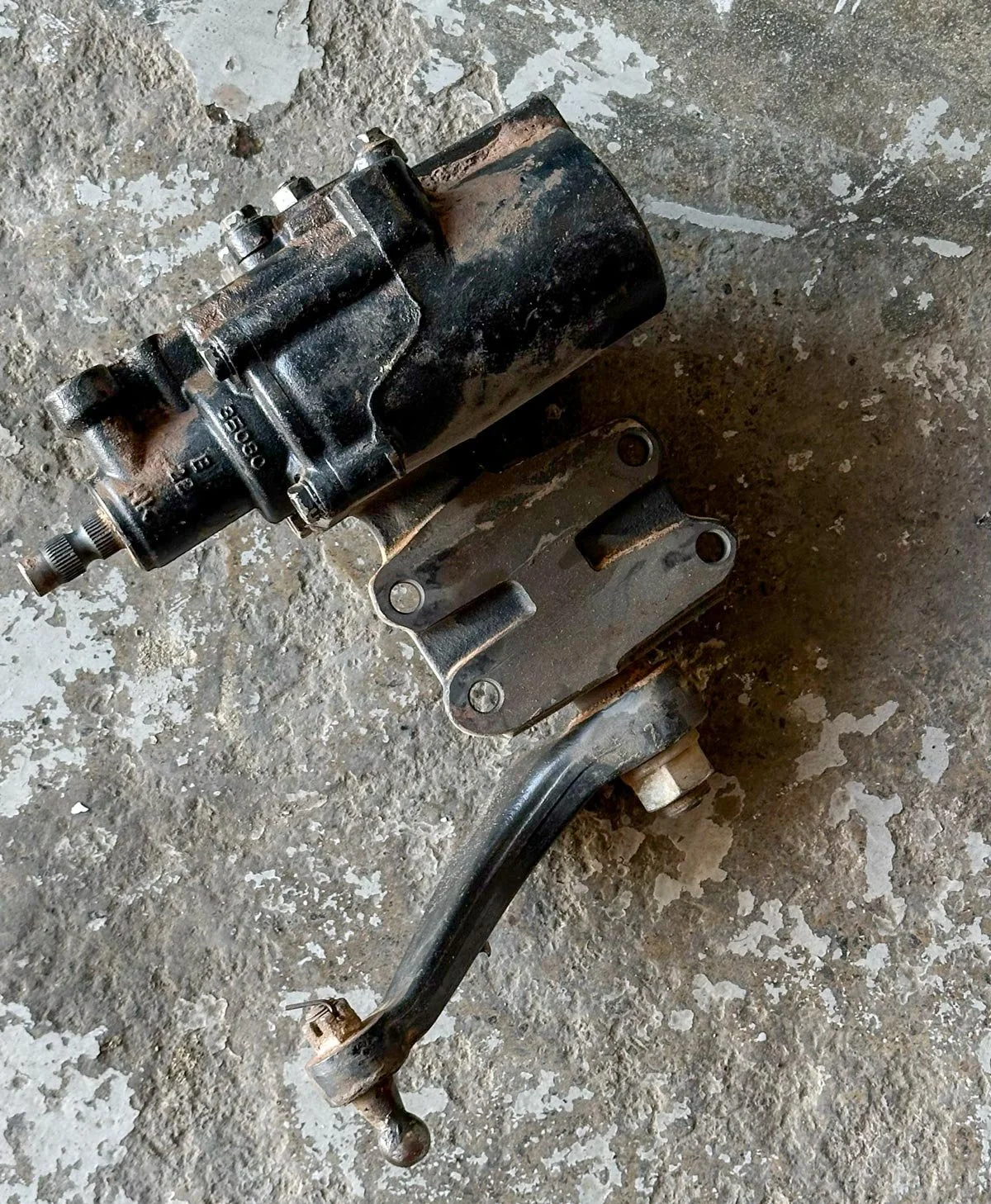
Drivetrain and brakes: gearbox rebuilt, worn bushes replaced, brakes overhauled.
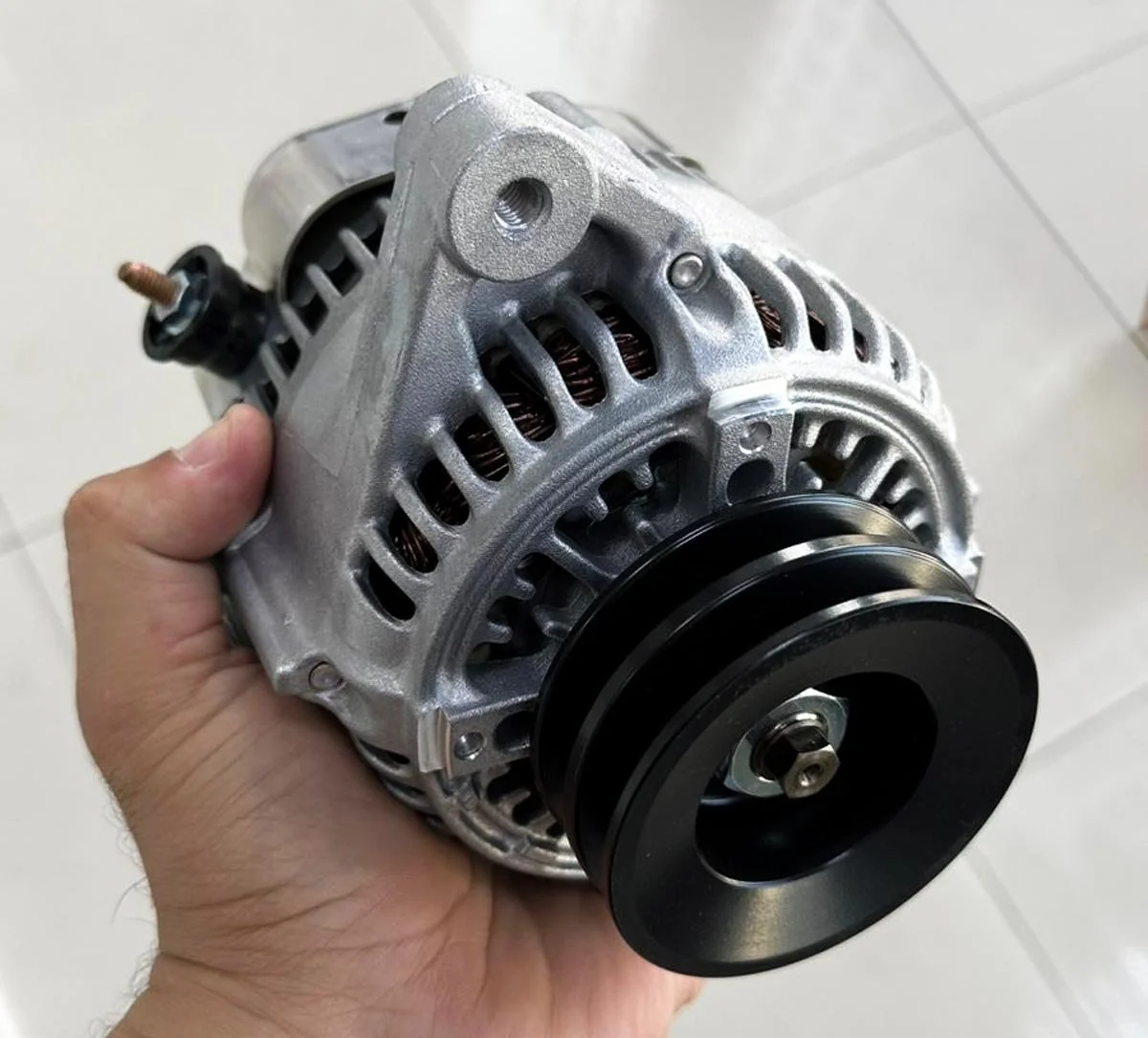
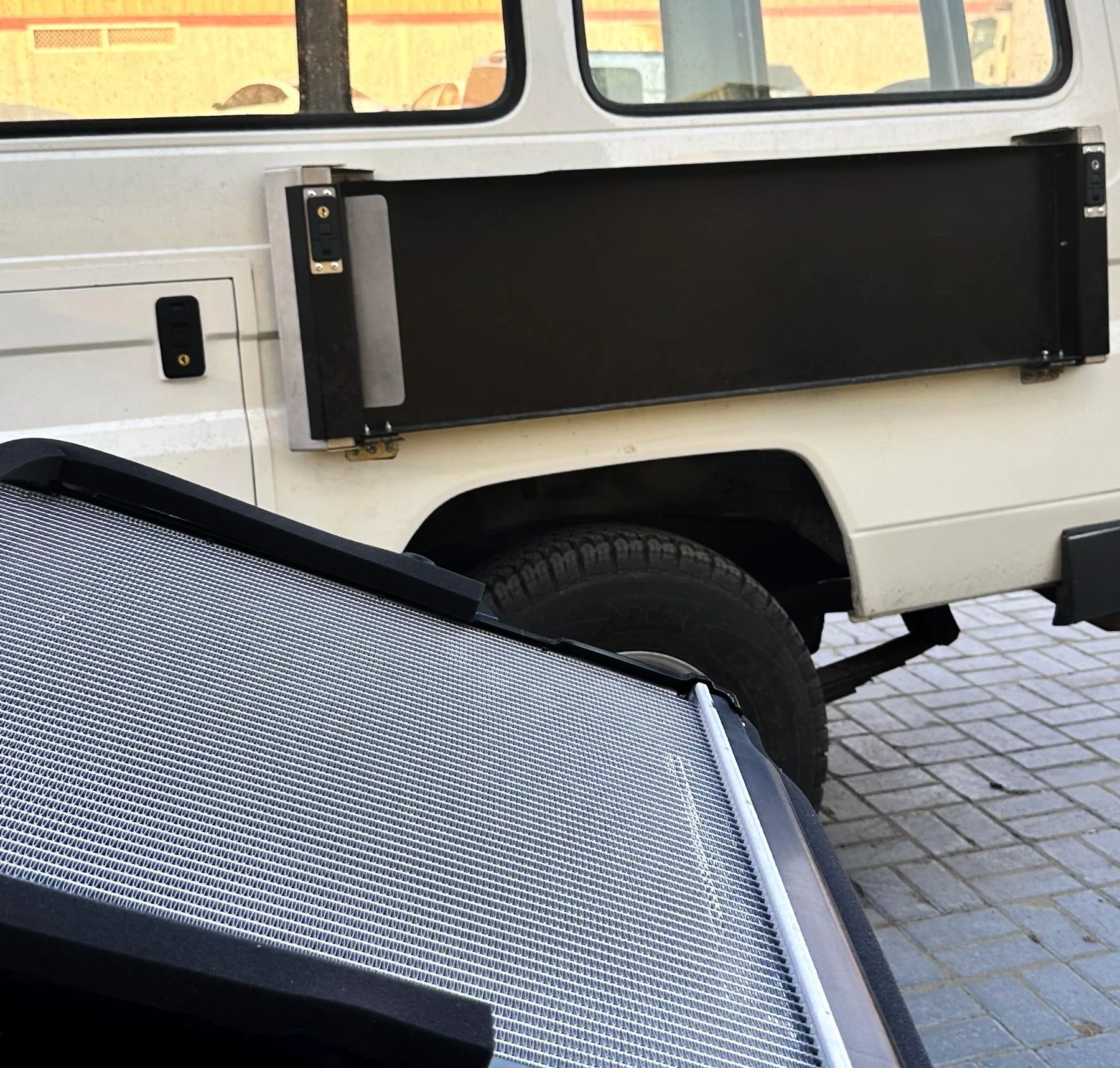
Engine and cooling: new radiator and water pump, new injectors and timing belt, a new OEM alternator.
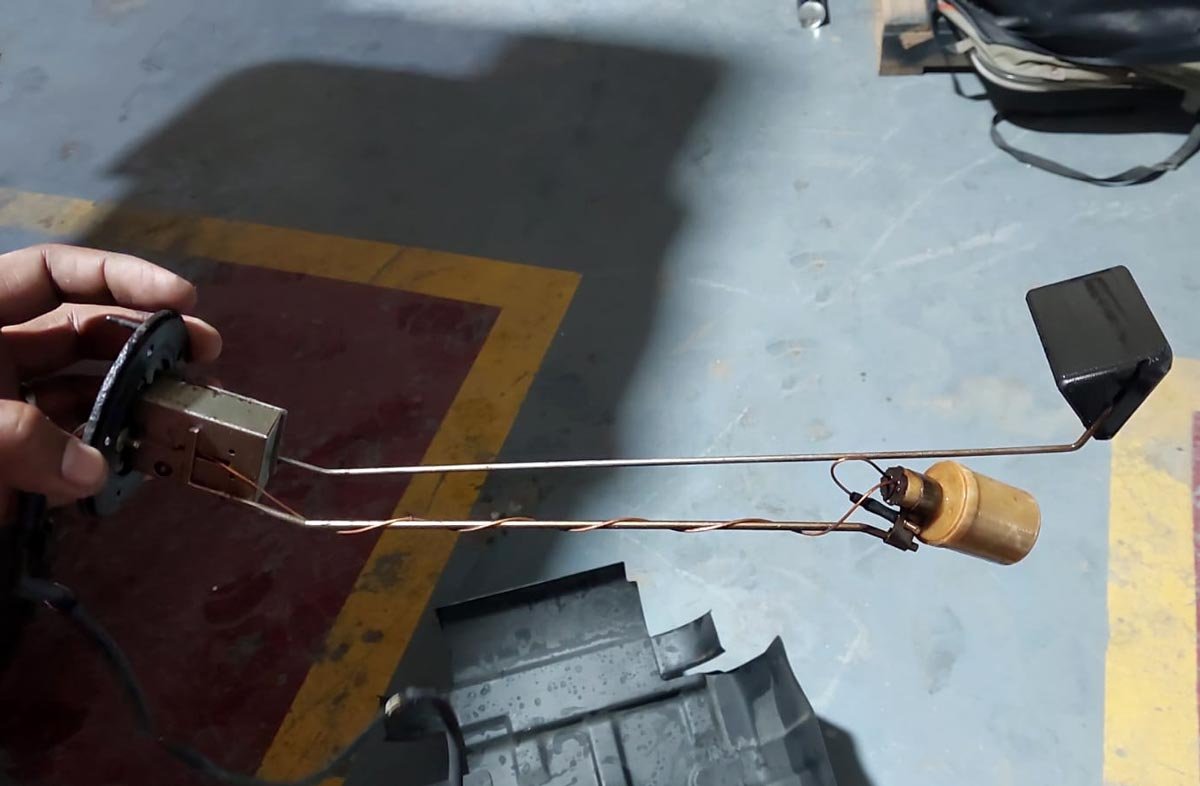
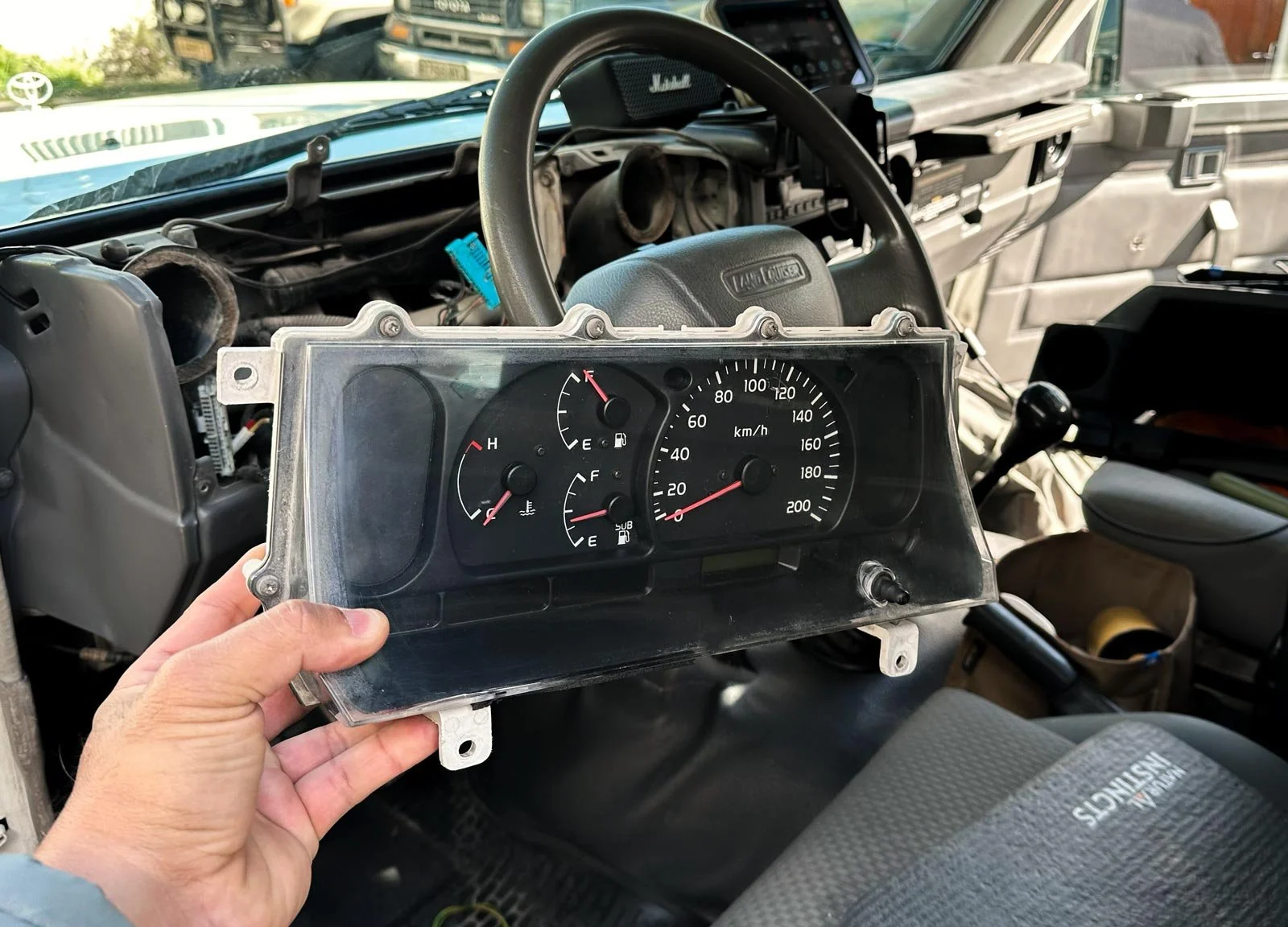
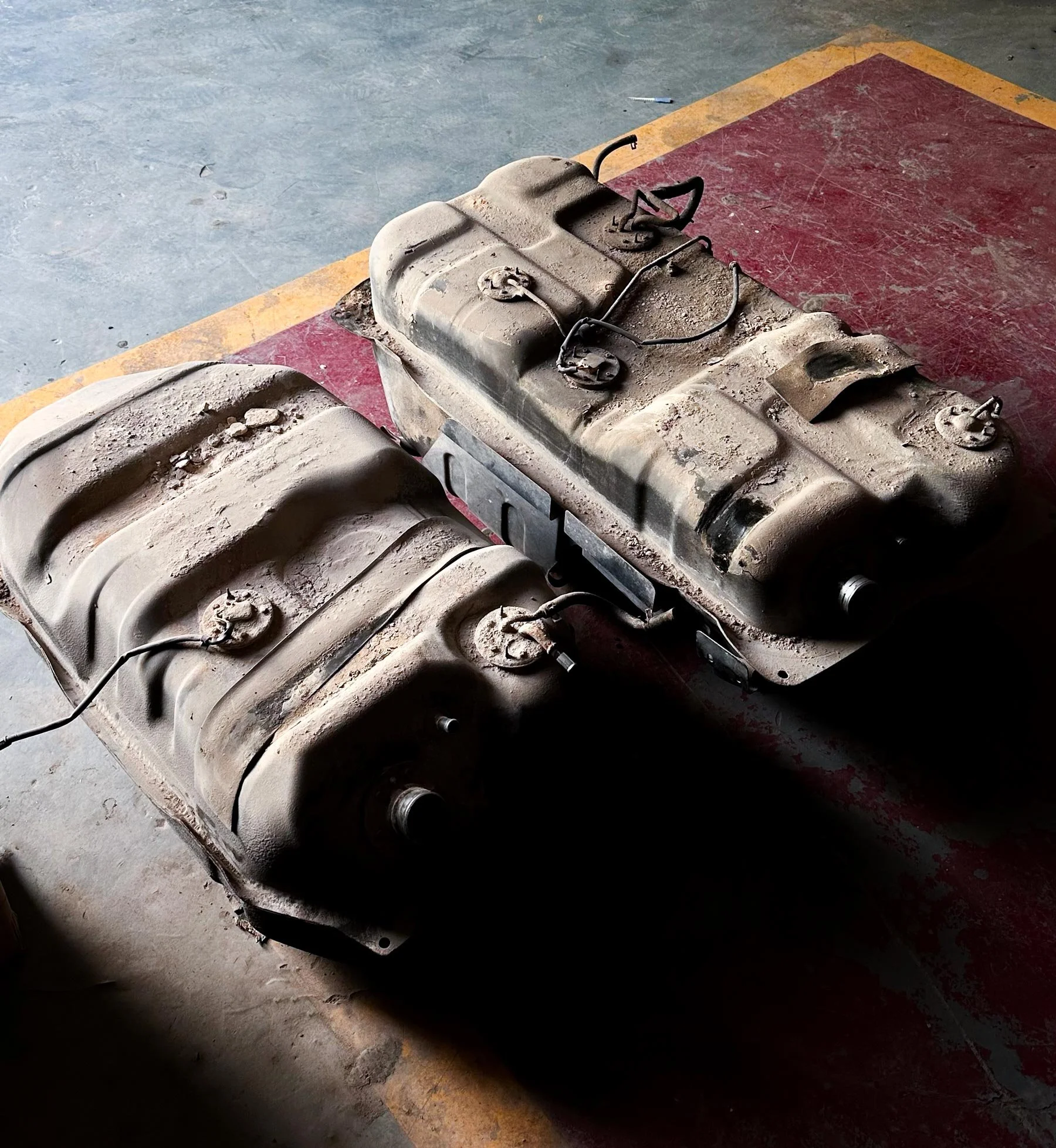
Fuel: both diesel tanks cleaned and the fuel gauge replaced.
Service: oils, filters, fluids and lubrication throughout, and the air conditioning was serviced and compressor was replaced.
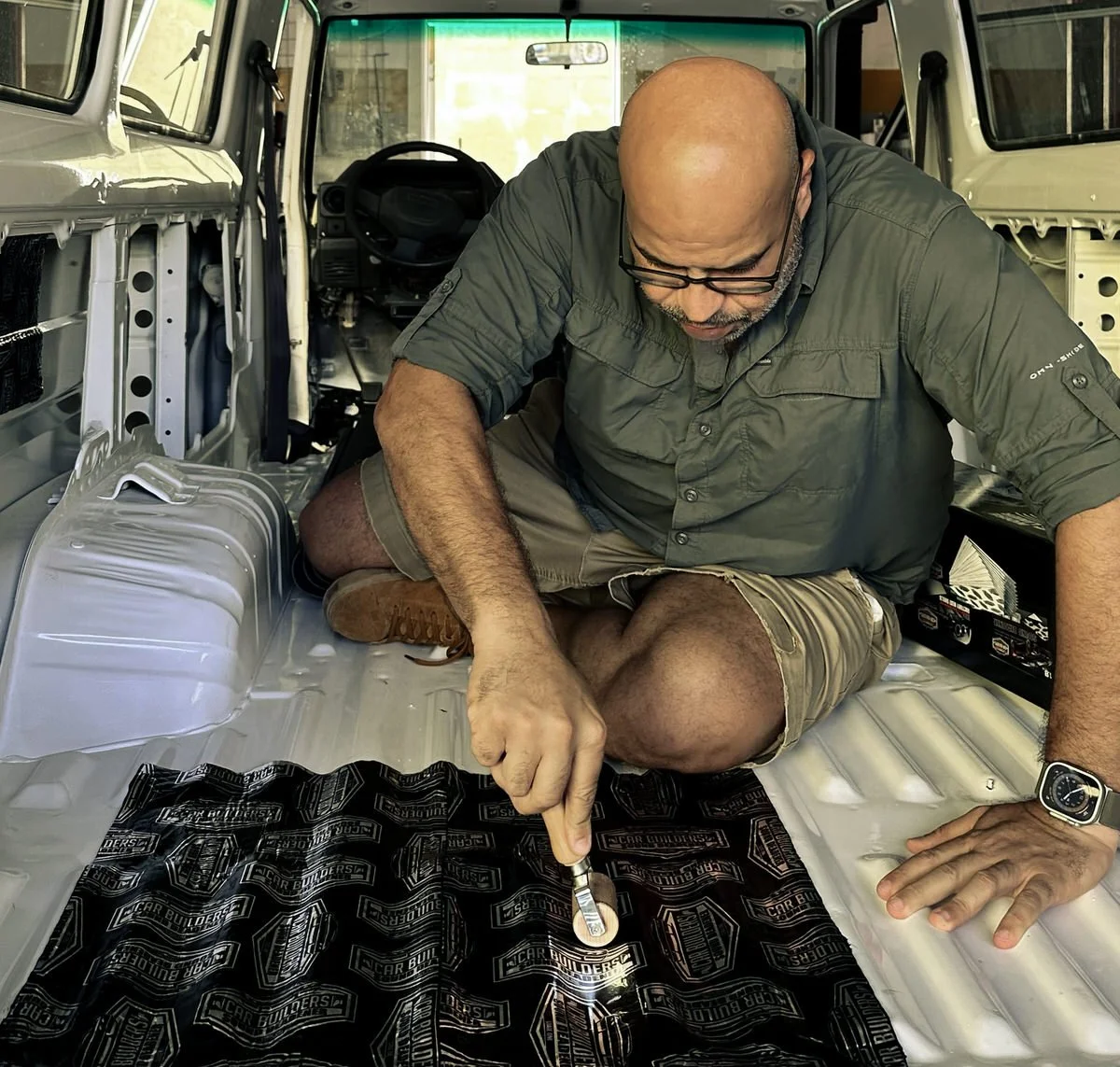
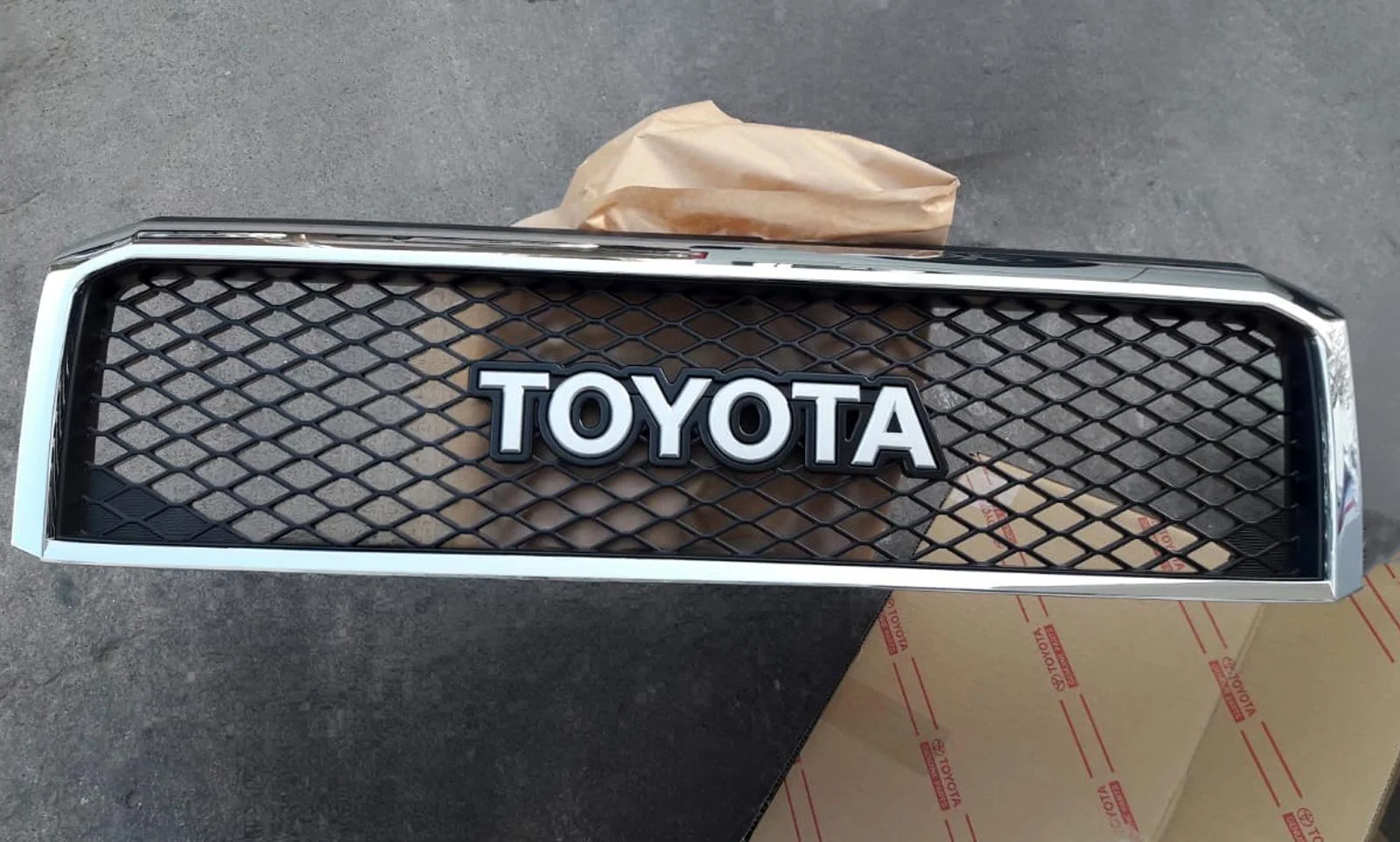
Interior: sections of wiring tidied, sound and heat insulation added, missing dashboard parts replaced and the interior repainted, all before any furniture went in for the final stage.
There were plenty of smaller jobs along the way, as you would expect when bringing an old Land Cruiser back to life. Progress was gradual, but with each repair, the HZJ78 moved closer to being ready for the road.
The engine had around 200,000 kilometres on it. That figure alone did not concern me. What mattered more was its condition and how it had been maintained. With the budget in mind, I saw little reason to replace a functioning part simply because it was old. Anything that needed attention was repaired or replaced. Parts that were still doing their job stayed.
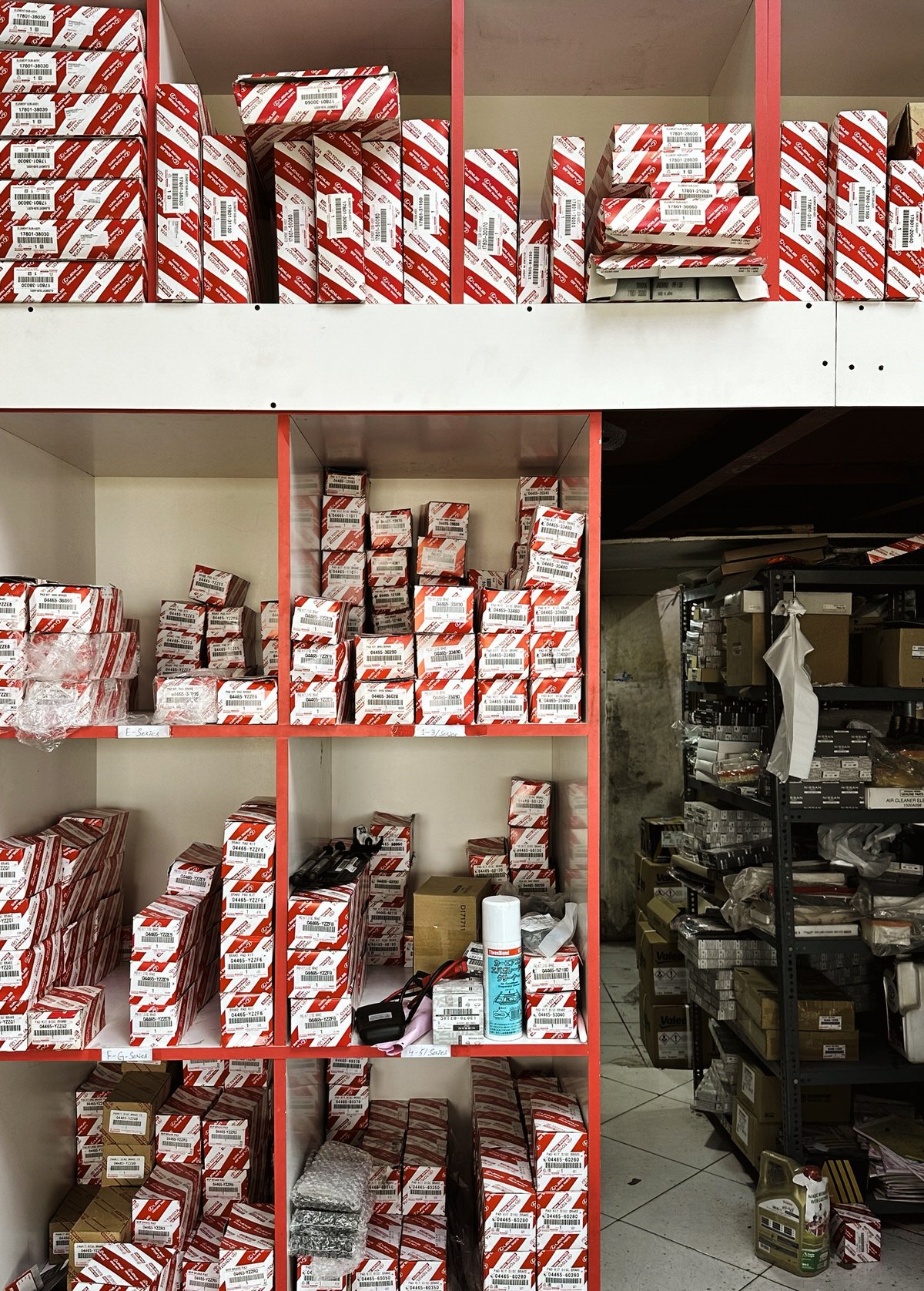
I knew this approach left some uncertainty. An older vehicle can surprise you, even after a thorough inspection. If something failed during a trip, I would have to find a solution along the way. The availability of Toyota parts in many of the countries I planned to visit offered some reassurance, although finding the right part would not always be straightforward.
For me, that is part of travelling with an old Land Cruiser. Each repair teaches you something, and every kilometre helps you understand the vehicle a little better.
You fix things, you adapt, and you keep moving.
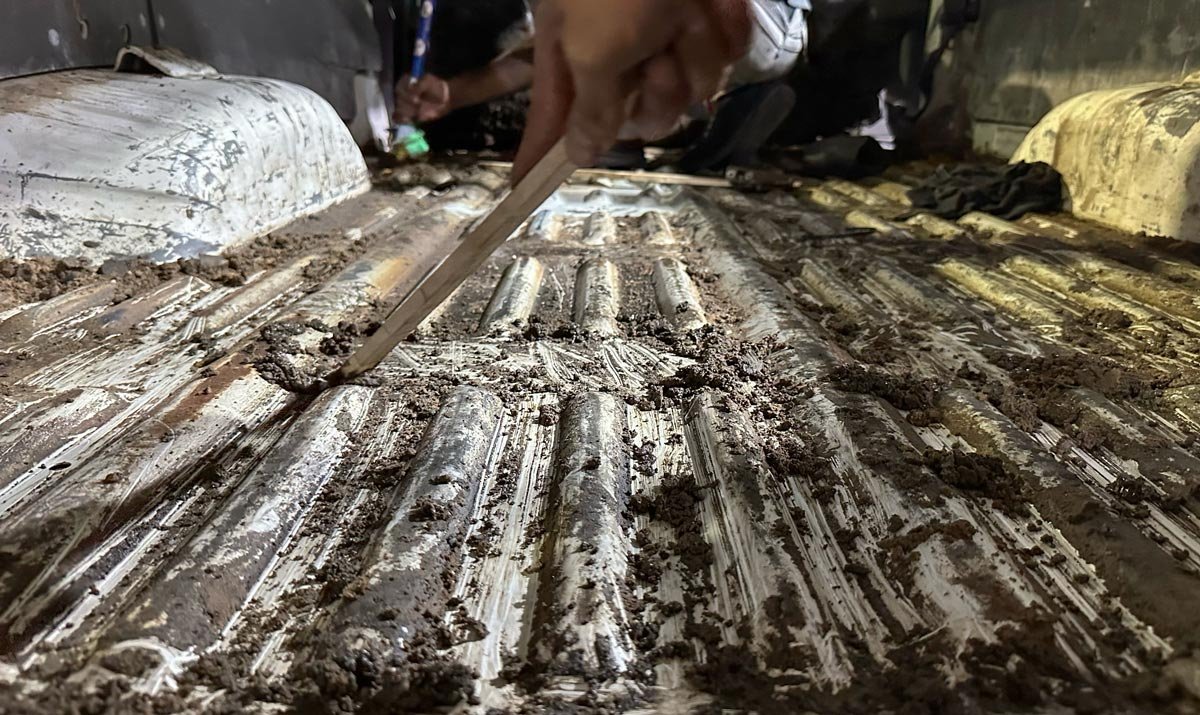
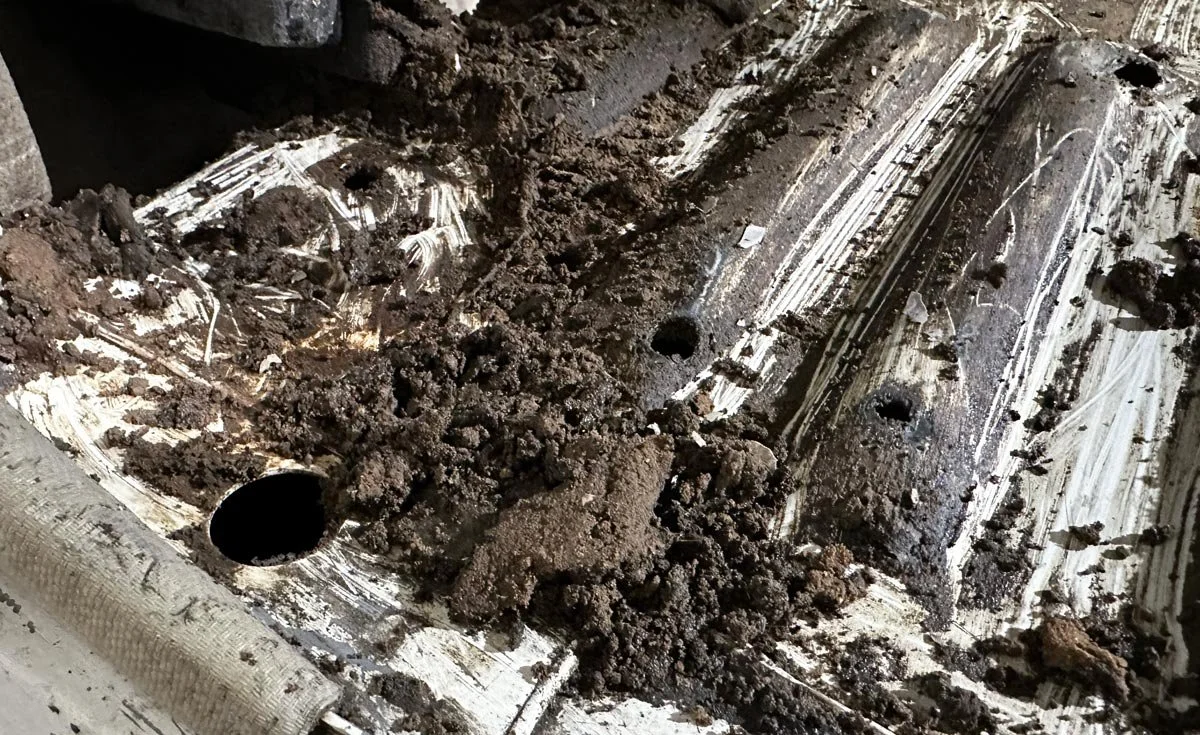
The Overland Modifications
Once the major mechanical work was finished and the Troopy was ready to drive, it was time to prepare it for life on the road. Every addition had to earn its place.
Keeping the weight down guided every decision. I kept the original front bumper and avoided a roof conversion, winch, oversized tyres and a conventional dual-battery setup. I wanted to carry the essentials without adding unnecessary strain to the vehicle. With a 1HZ, you soon learn to be selective.
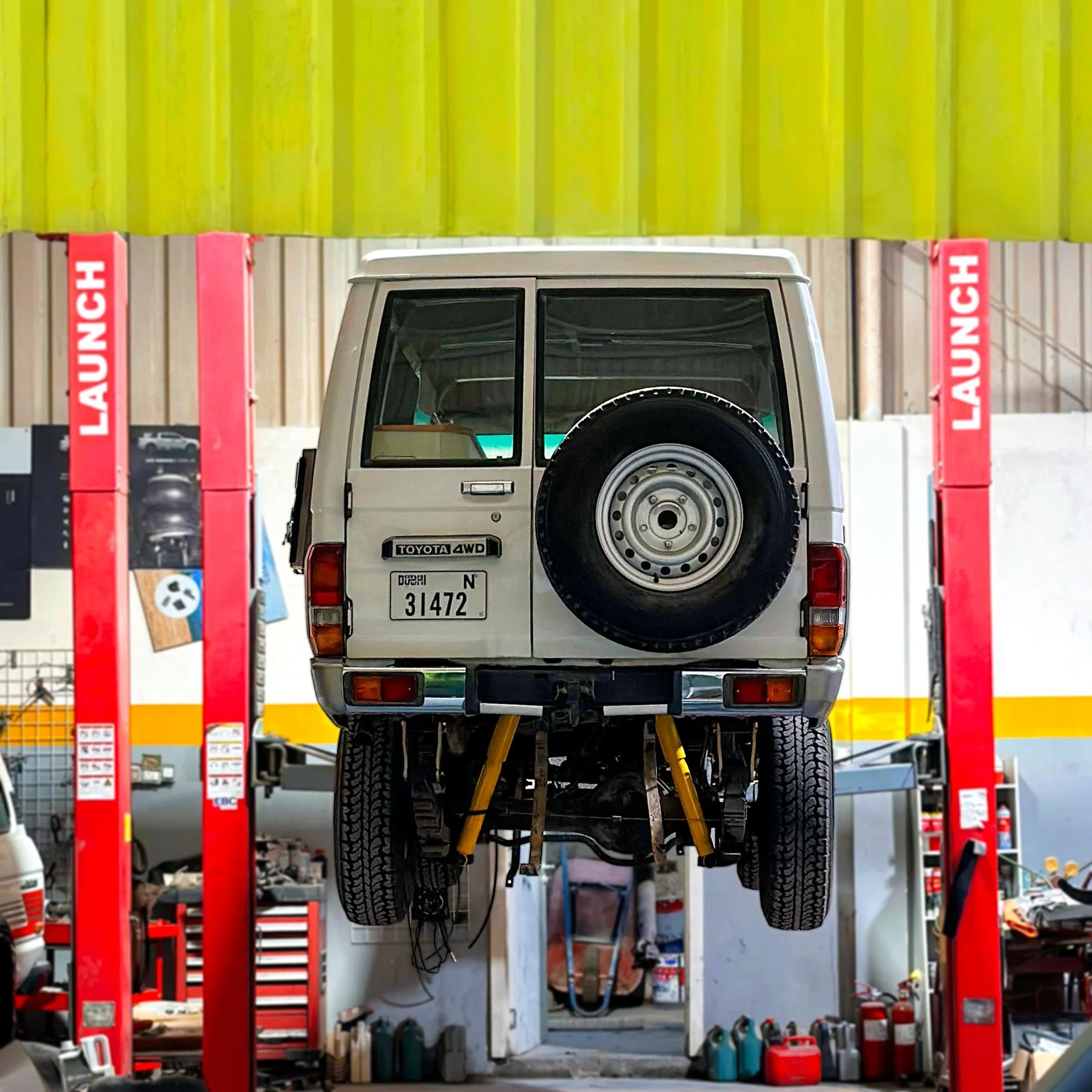
Suspension. The first upgrade was a Dobinsons suspension kit with front coil springs and nitrogen gas-charged shocks, giving a two-inch lift, together with an adjustable monotube steering damper. At the rear, we added extra Toyota leaf springs and extended shackles.
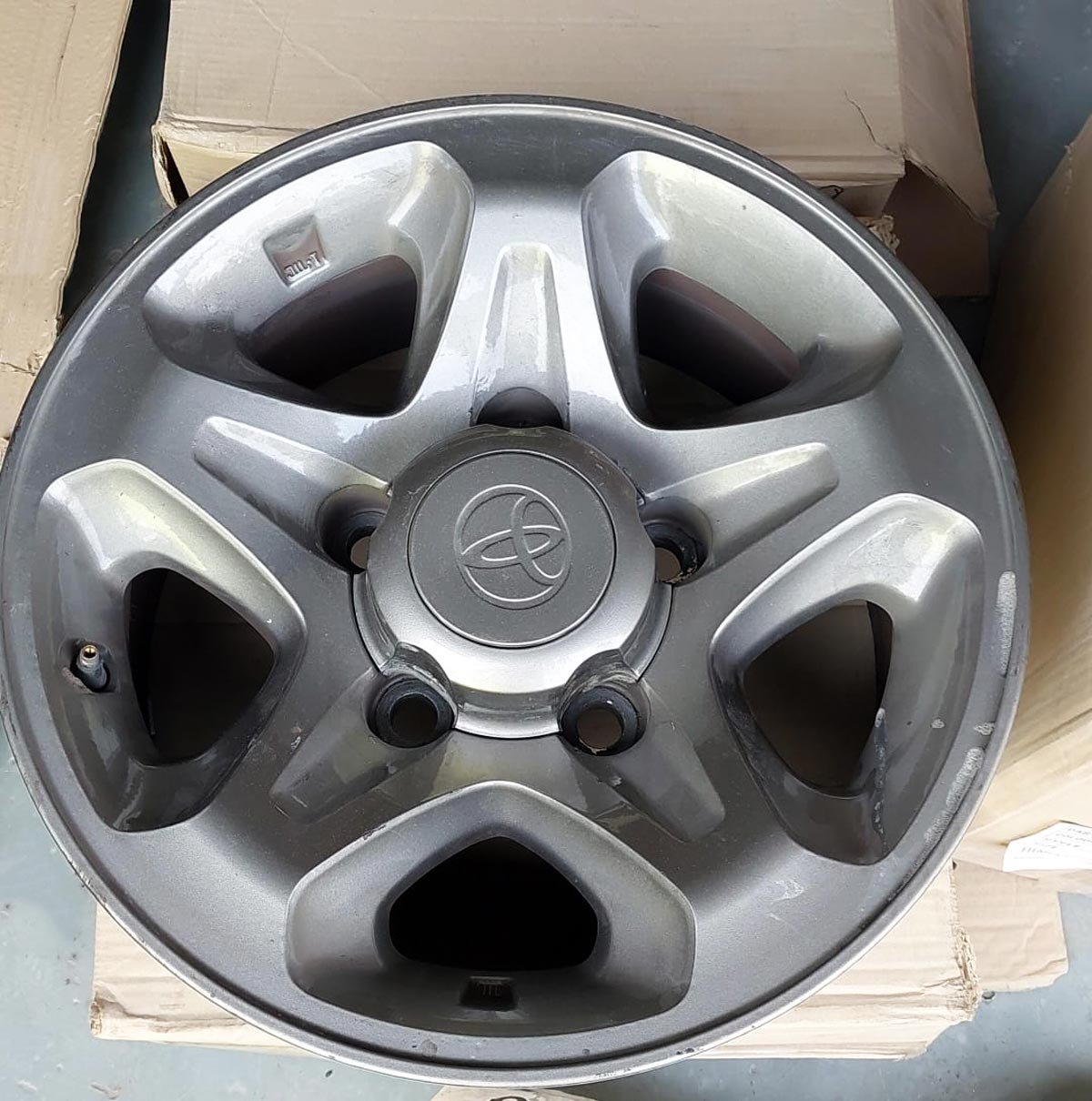
Wheels and tyres. Choosing the wheels took some thought. I replaced the original Toyota steel wheels with 16-inch alloys, paired with 265/75R16 BFGoodrich All-Terrain tyres. I wanted a practical size for the terrain I planned to drive, while keeping the engine’s modest power in mind.
Body and rear storage. One of the most useful modifications was an access panel cut into the right side of the body. It lets me reach frequently used gear without opening the rear bumper and doors every time.. At the back, we fitted a Gobi-X rear bumper to carry the spare tyre and fabricated an aluminium storage box with a side step to make access easier. That box has become one of my favourite additions, keeping oil, fluids, tools and recovery gear outside the cabin.
Water. Underneath the Troopy, we fitted a 60-litre food-grade stainless steel water tank. Water flows by gravity through a simple hose, with no pump or electrical connection. It is old school, and that is exactly why I like it.
Recovery. We mounted Maxtrax recovery boards outside the cabin on a Trax Table designed by the ANR team. The table folds out to provide a surface for cooking and preparing food at camp. The boards give me a useful recovery option without the weight and installation requirements of a winch.
Air compressor. To reinflate the tyres after driving off-road, we installed an ARB twin air compressor on a dedicated bracket in the engine bay.
Interior. This was the most important part of the build for me. I chose birch plywood for the cabinets, drawers and sleeping platform, with a straightforward layout and plenty of lockable storage. In a few seconds, the rear space converts into a bed. I preferred this arrangement to a pop-top because it lets me sleep inside the original body, sheltered from wind and cold, with very little to set up at night. For better support and comfort on long drives, I replaced the original driver’s seat with a grey Scheel-Mann Vario F.
Power. An EcoFlow DELTA 3 portable power station supplies electricity for charging camera equipment and running camp essentials, including the fridge. An EcoFlow alternator charger replenishes it while I drive.
This gave me a self-contained power setup without installing a separate leisure battery and its associated components. I can also take the power station indoors when needed.
Entertainment. Music is part of every journey for me, so a decent sound system was worth making room for. The sound insulation helped reduce cabin noise, and we installed a Pioneer system with an amplifier and subwoofer. On long stretches of road, listening to my favourite tracks makes the hours behind the wheel more enjoyable.
Fridge. As I usually travel alone, I didn’t need a large fridge or enough food storage for a whole family. I chose an ICECO APL35 for its compact size, slim profile and design. It fits neatly into the setup without taking up too much valuable space.
Heating. For cold nights, I installed an inexpensive Chinese-made diesel heater, which has worked well so far. We mounted it permanently inside the Troopy, routed the exhaust outside and connected the fuel supply directly to the sub-tank. It has made sleeping in the truck much more comfortable when temperatures drop.
With the build complete, the Troopy had what I needed to travel, sleep and work on the road. The next step was to find out how it all performed beyond the workshop.
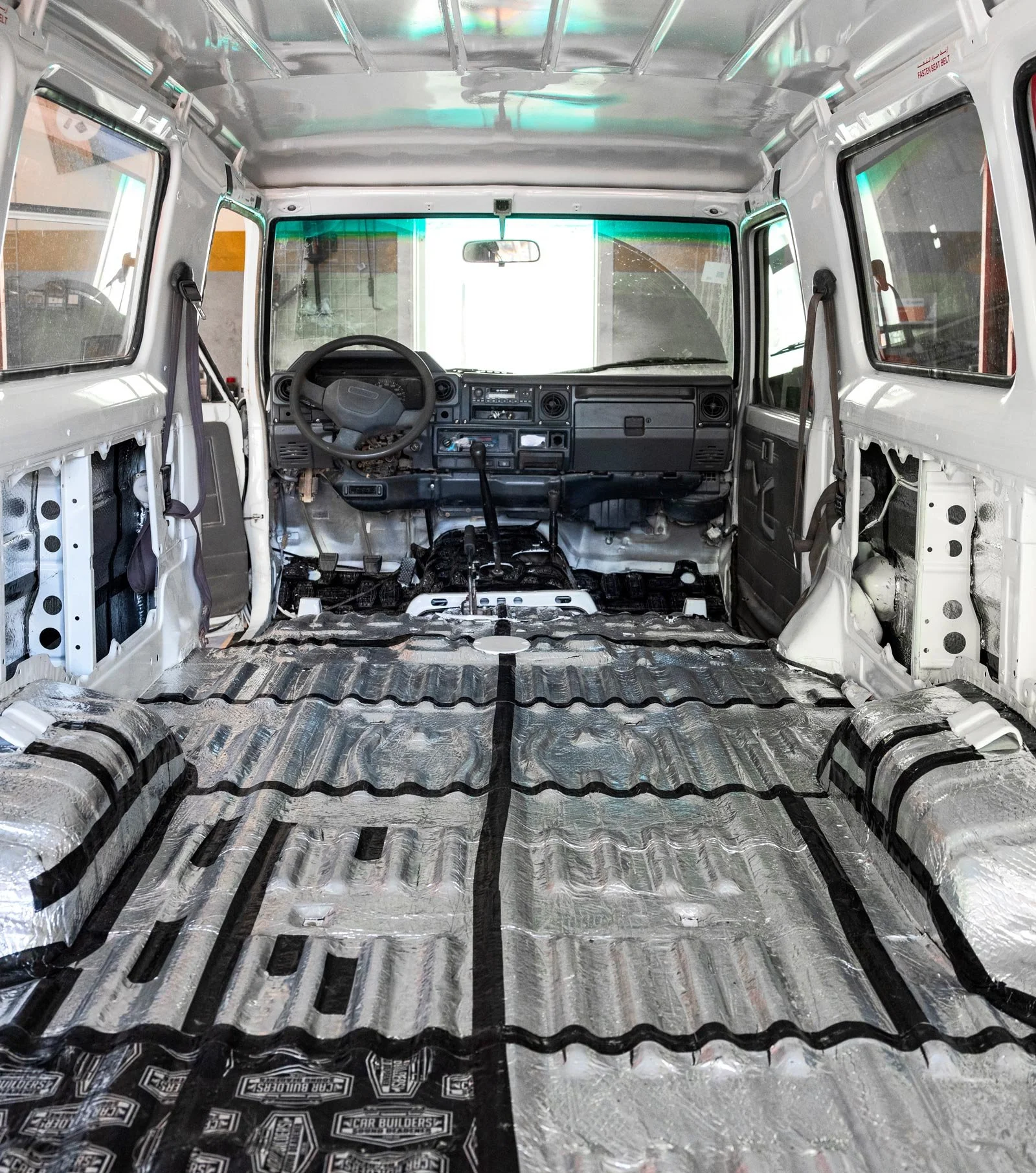
Floor insulation completed
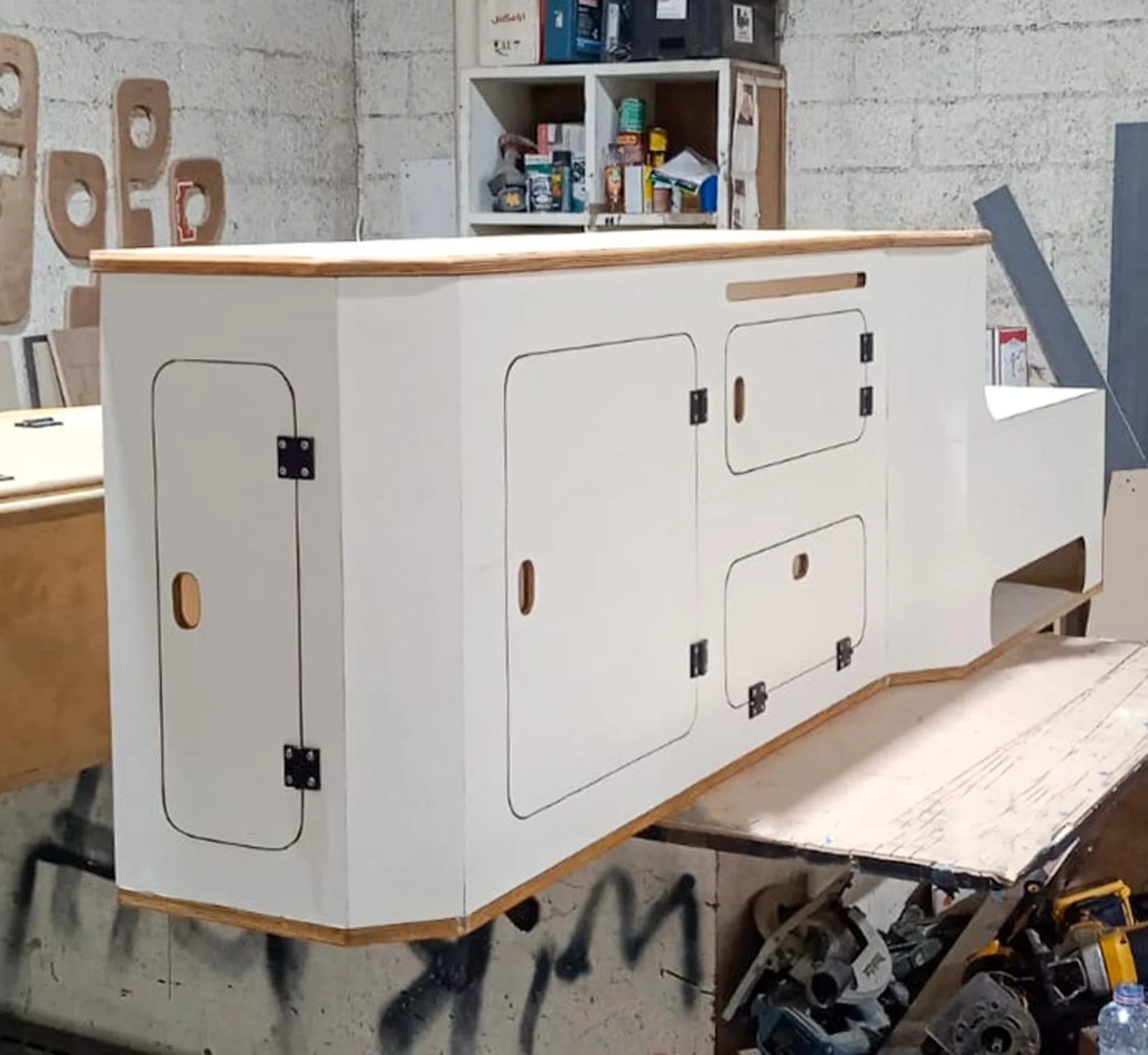
Custom plywood cabinet
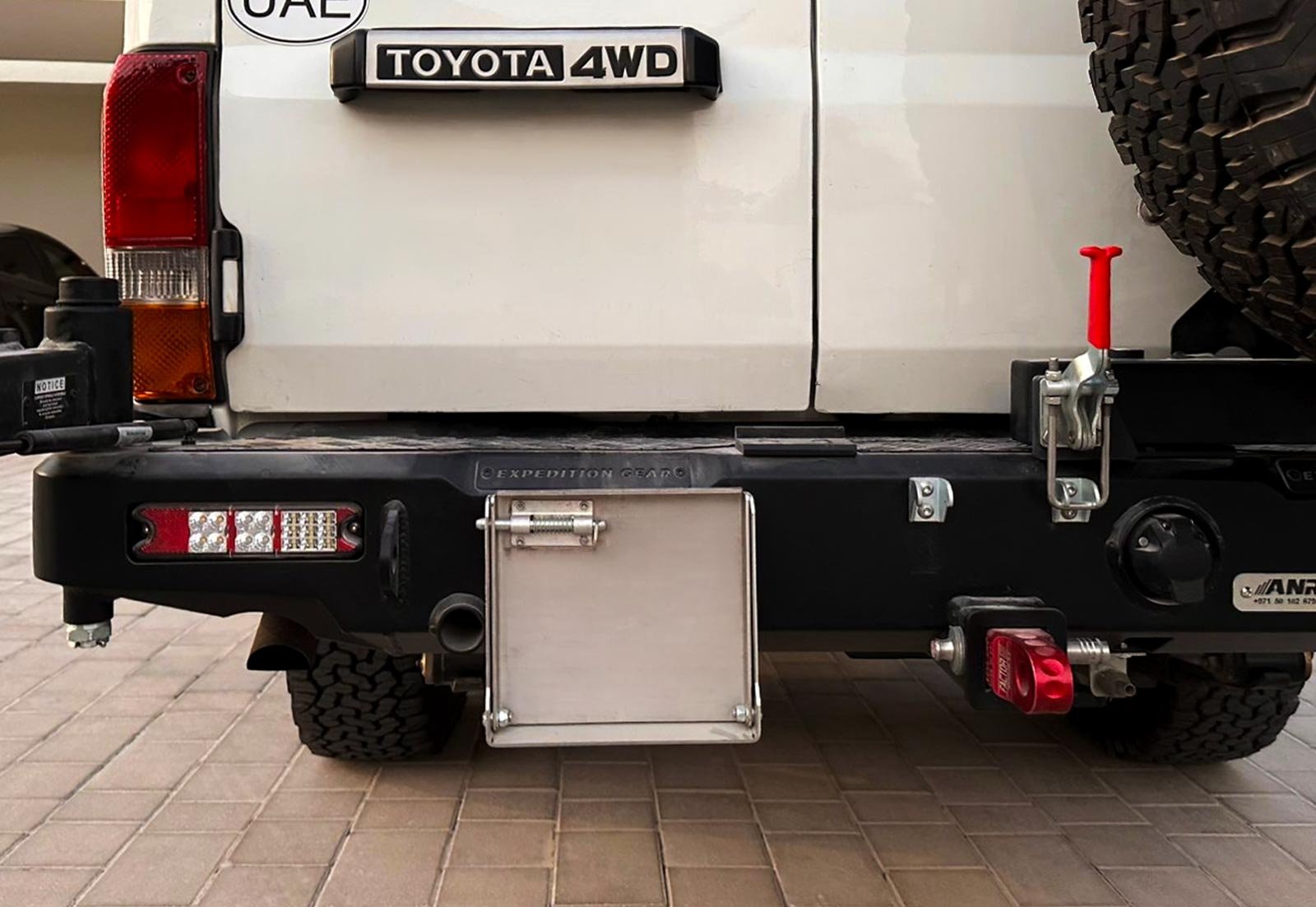
Gobi-X Rear Bumper with Swing-Out Wheel Carrier and Recovery Points
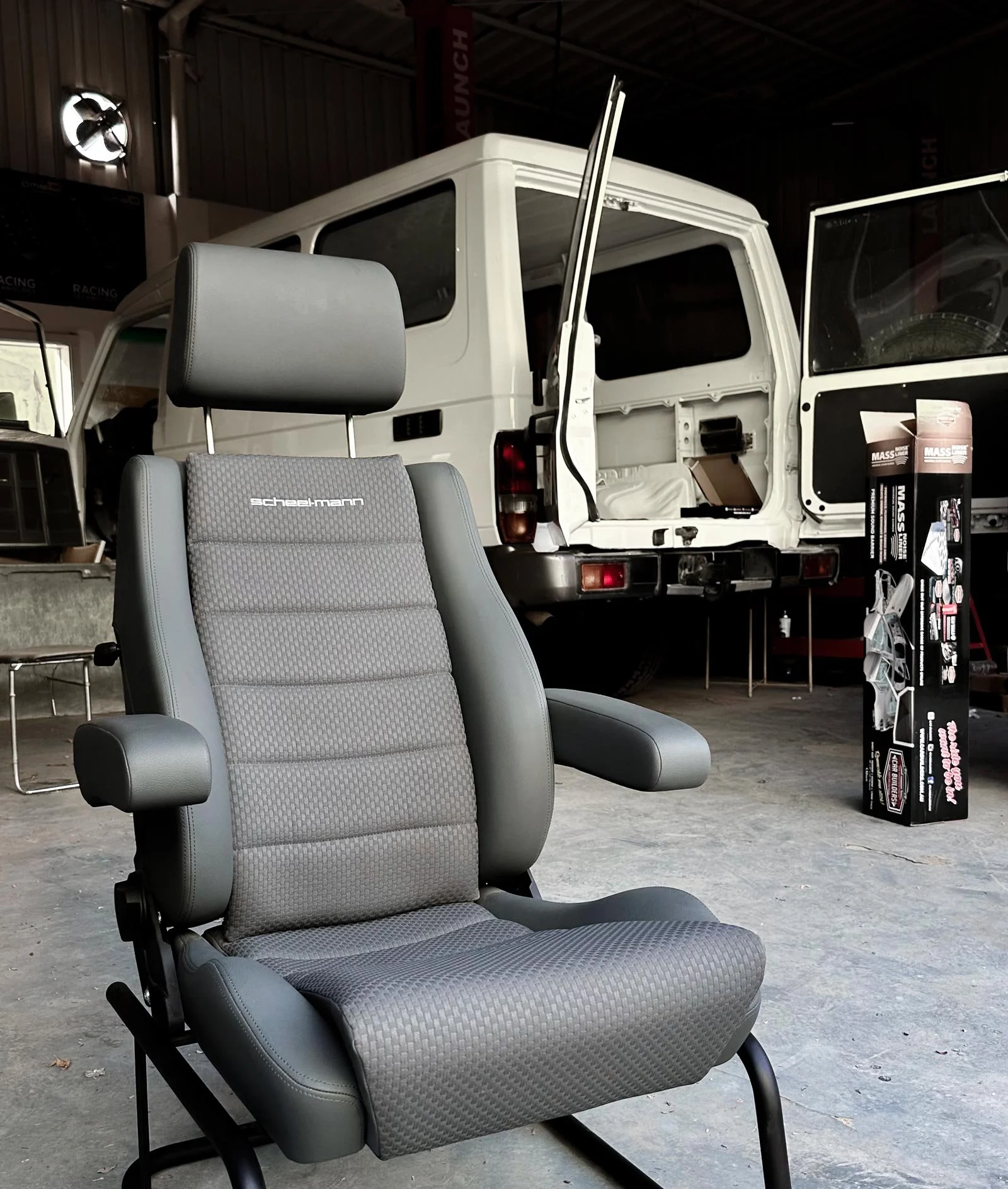
Scheel-Mann Seat
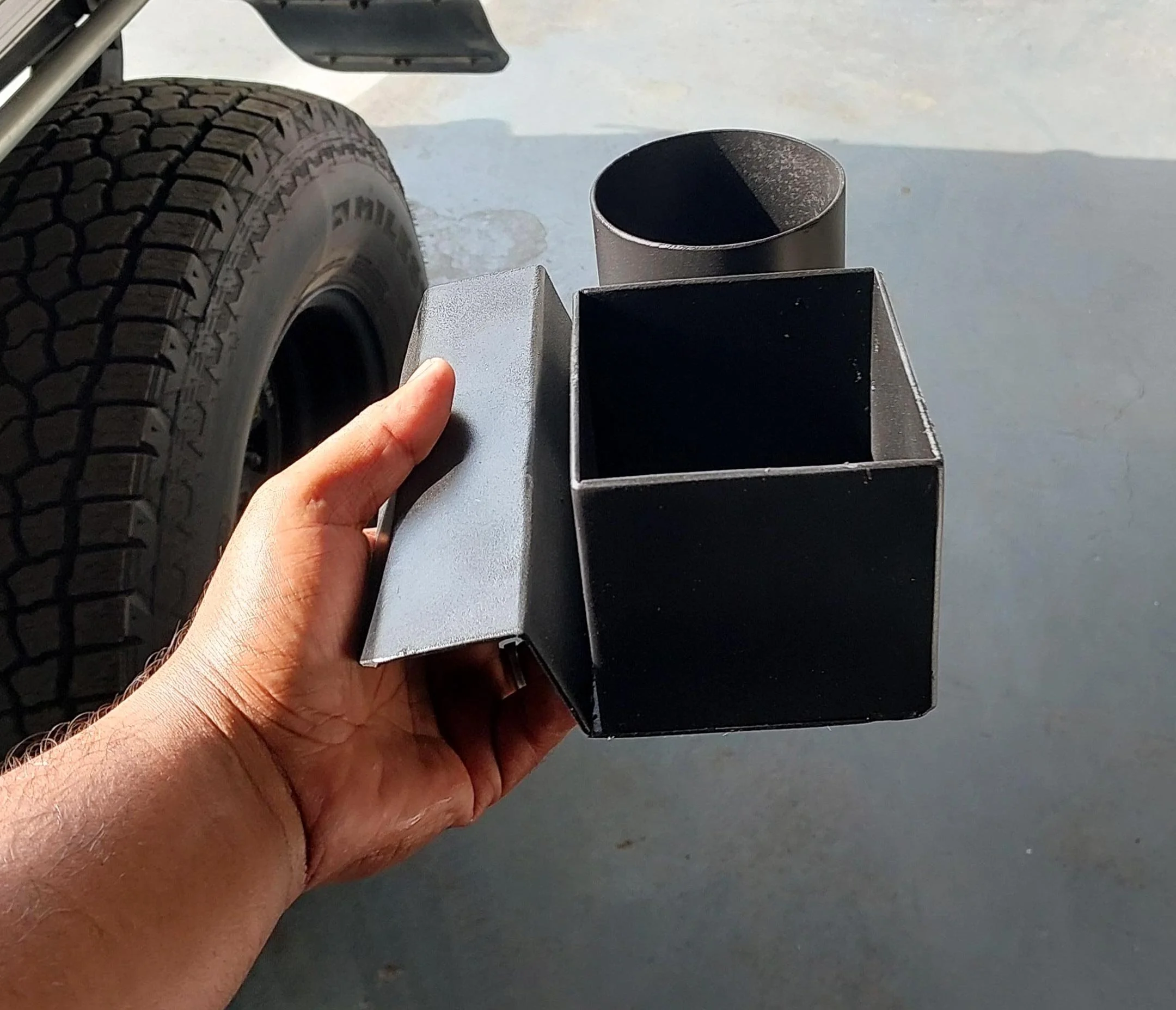
Custom Cup Holder
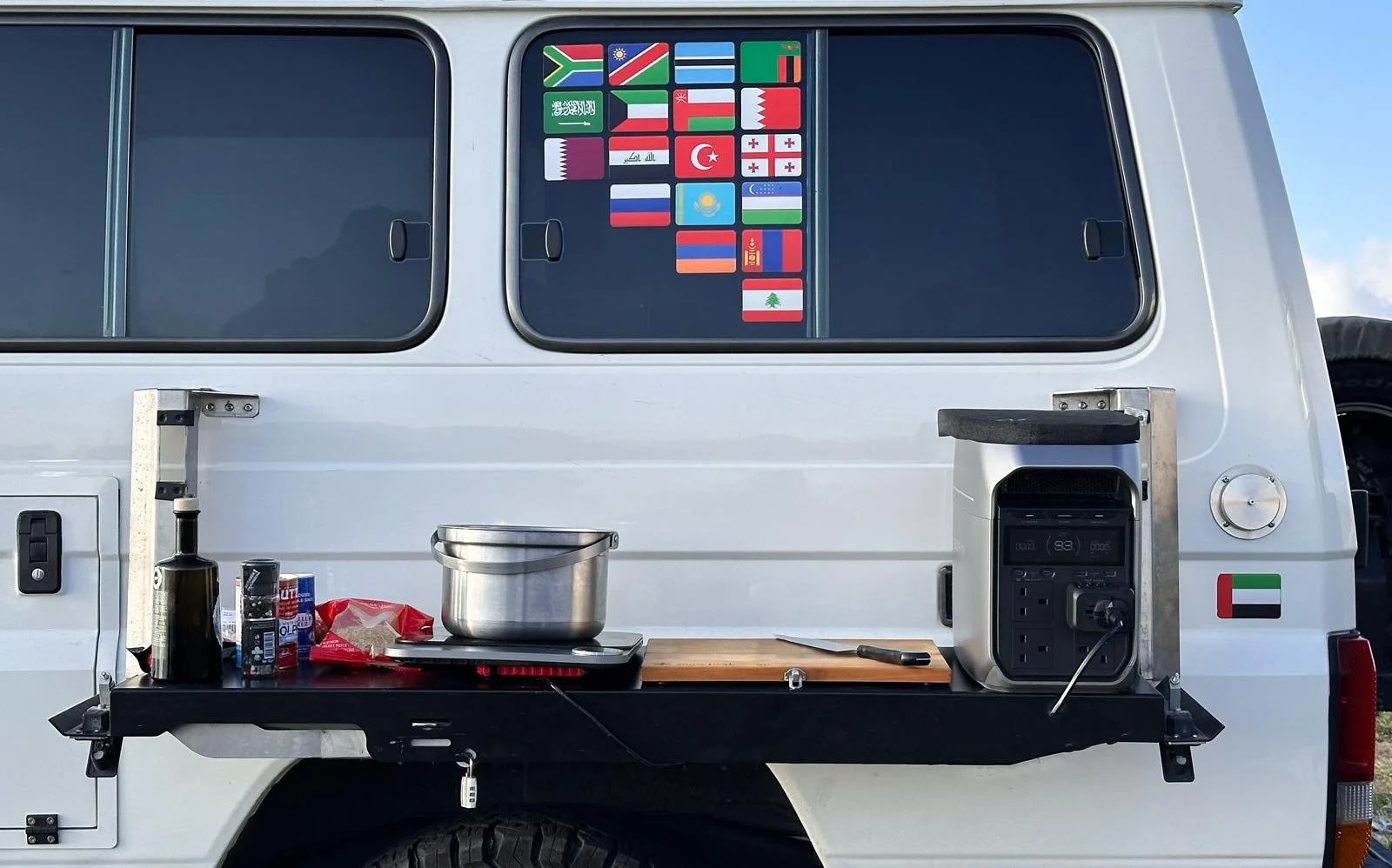
MaxTrax Holder and Side Table in One Custom Side Mount
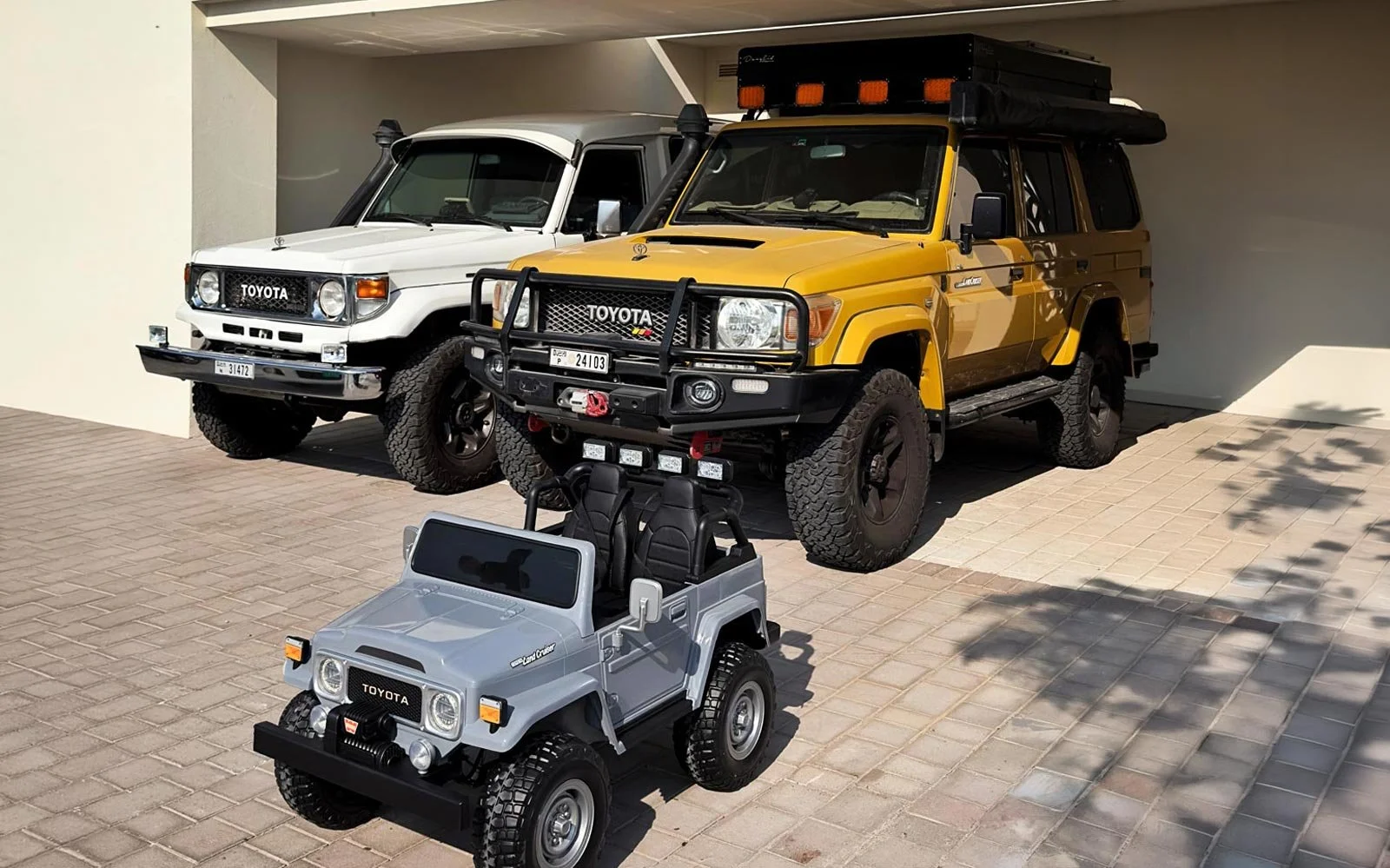
The Land Cruiser family: the rebuilt 78, the overlander, and the little one.
What's Next?
This is only the first chapter. The truck is rebuilt, registered in the UAE and ready for the road. It isn't perfect, but I never expected it to be. It is an old Land Cruiser, and I knew there would be surprises along the way.
In the next chapter, I ship the Land Cruiser to Africa, where the journey begins. Plans made at home meet the realities of unfamiliar roads, border crossings and distances that feel very different once you are driving them.
There are mornings when the light makes every kilometre worthwhile, and encounters with people I never expected to meet. There are difficult days, too. Some of the hardest come in Namibia, where things go wrong in ways I hadn't anticipated.
Those experiences put both the truck and my decisions to the test. They also become some of the stories I remember most clearly.
If you'd like to follow the journey, subscribe using the form below for the next chapter and more stories from the road.